Mira Bhayandar Civic Accountability: What Residents Should Expect from MBMC
The recent MBMC meeting controversy raises wider questions about civic transparency, public spending and how residents can track municipal decisions.
Municipal corporations make decisions that shape everyday life. They manage public infrastructure, sanitation, roads, water supply and other essential services.
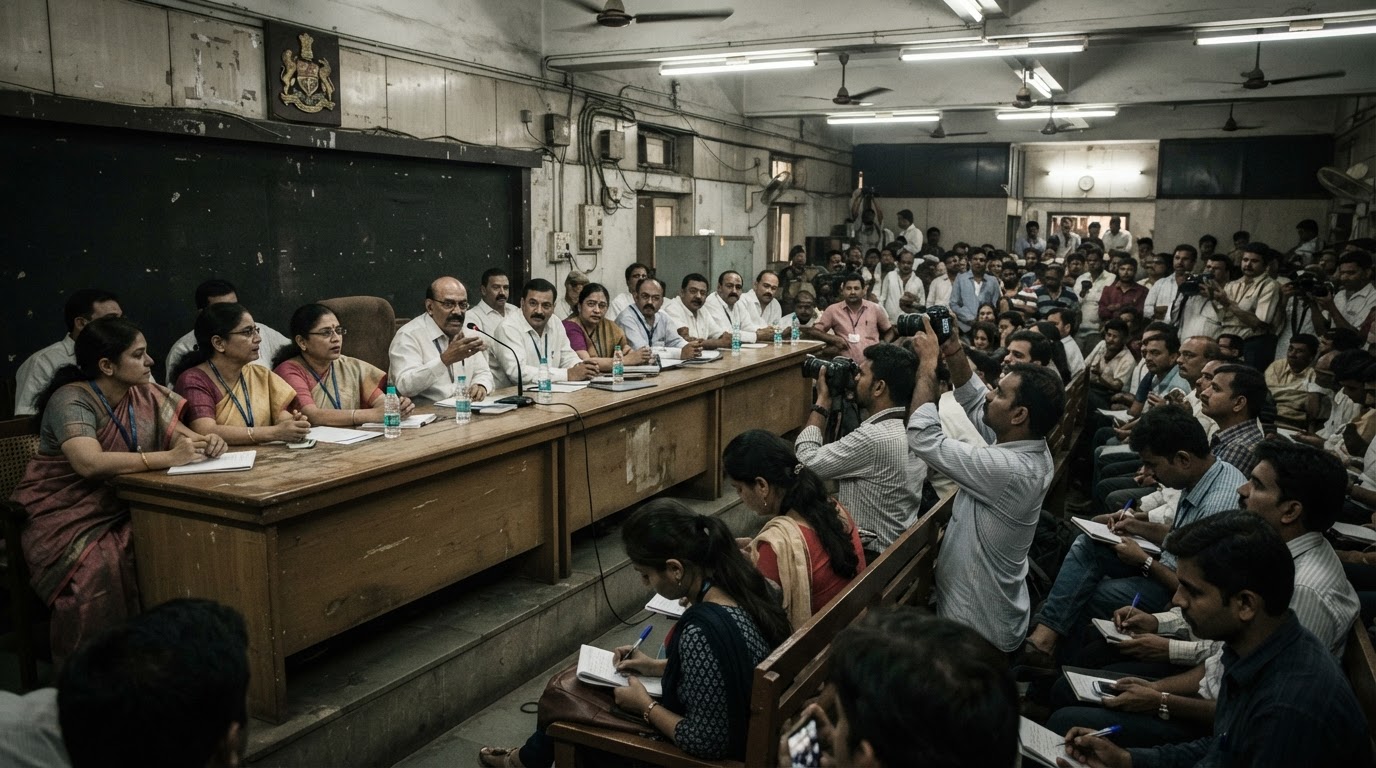
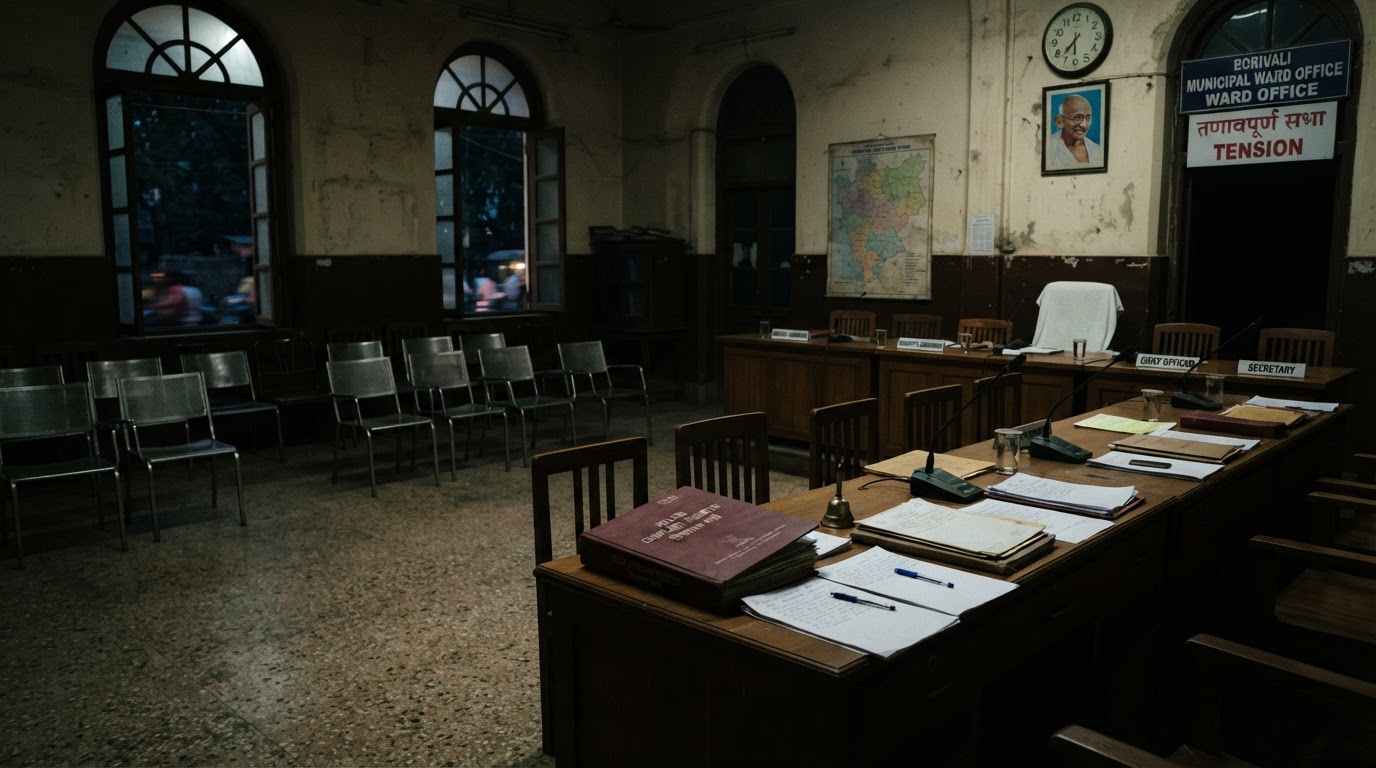
That is why the recent controversy surrounding an MBMC general-body meeting deserves attention beyond the immediate allegations of violence. The October 16, 2026, meeting became the subject of reporting about a confrontation involving journalists and activists, an FIR and major expenditure proposals.
Why public meetings matter
General-body meetings provide a formal setting for elected representatives to consider civic proposals and make decisions. Residents do not need to agree with every decision. They do need to be able to understand what was proposed, what was approved and what action follows.
When a meeting becomes disorderly, the public interest extends beyond the confrontation itself. The status of the agenda items and the integrity of the official record also matter.
What should transparency look like?
A practical transparency system would make agendas, supplementary notices, resolutions and minutes easy to find. Major spending proposals should be accompanied by clear descriptions of their scope, estimated cost, funding arrangements and implementation stages.
Where questions are raised about a decision, the administration should explain the relevant procedure and make the supporting records accessible where legally permissible.
How can residents follow municipal decisions?
Residents can begin with MBMC's published general-body agendas and proceedings. For a major proposal, they should identify the resolution number, department, cost and approval status. They can then follow tender notices, work orders and progress updates.
Where information is not readily available, residents can seek clarification from the relevant department or use the applicable Right to Information process.
Why should residents care about the difference between approval and payment?
A project proposal may be approved before tendering or implementation. A tender may be issued without the work being completed, and a work order does not prove that the full contract value has already been paid.
Understanding these stages prevents misleading claims about public expenditure and helps residents track whether an approved project delivers the promised result.
The unfiltered takeaway
The best response to a controversial civic meeting is not simply outrage. It is a stronger public record, a clear explanation of decisions and continued scrutiny of implementation. MiraRoad.blog can help by linking directly to original documents and publishing follow-ups when the facts change.
Verified & Curated
Researched from official, named sources
MBMC general-body agendas and proceedings · Loksatta Mira Bhayandar news.
Enjoying this story?
Get the best of Mira Road — local news, food finds and weekend plans — straight to your inbox.
Team Mira Road Blog
The editorial team behind MiraRoad.blog — covering local news, food, events and everything Mira Road & Mira Bhayandar, one story at a time.
Frequently asked questions
They provide a formal setting for elected representatives to consider civic proposals and make decisions about infrastructure, sanitation, roads, water supply and other services.
Start with MBMC's published general-body agendas and proceedings. For a major proposal, identify the resolution number, department, cost and approval status, then follow tender notices, work orders and progress updates.
No. A proposal may be approved before tendering or implementation, a tender may be issued without the work being completed, and a work order does not prove the full contract value has already been paid.
Made for Mira Road. Built for the community.
Your neighbourhood, one story at a time.
Connected stories
Guides that build on what you just read.