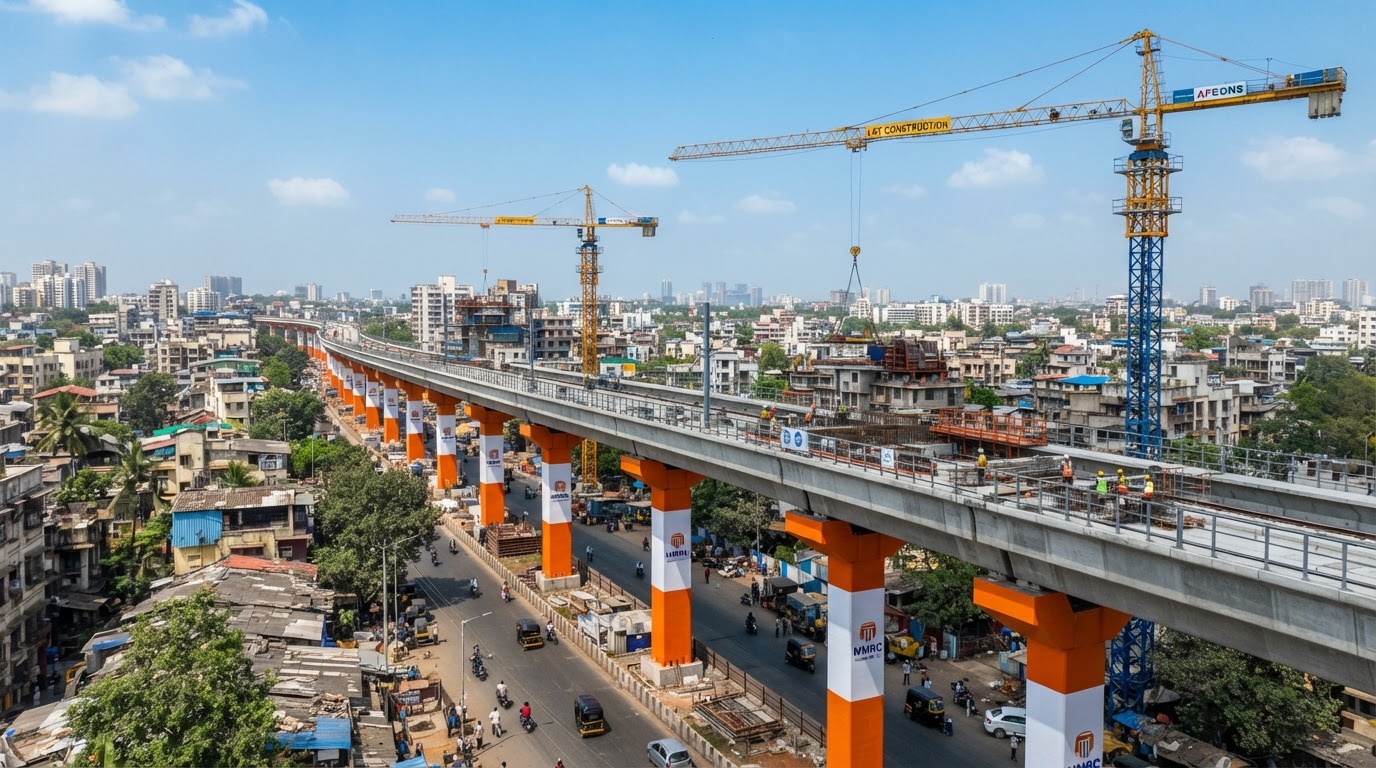
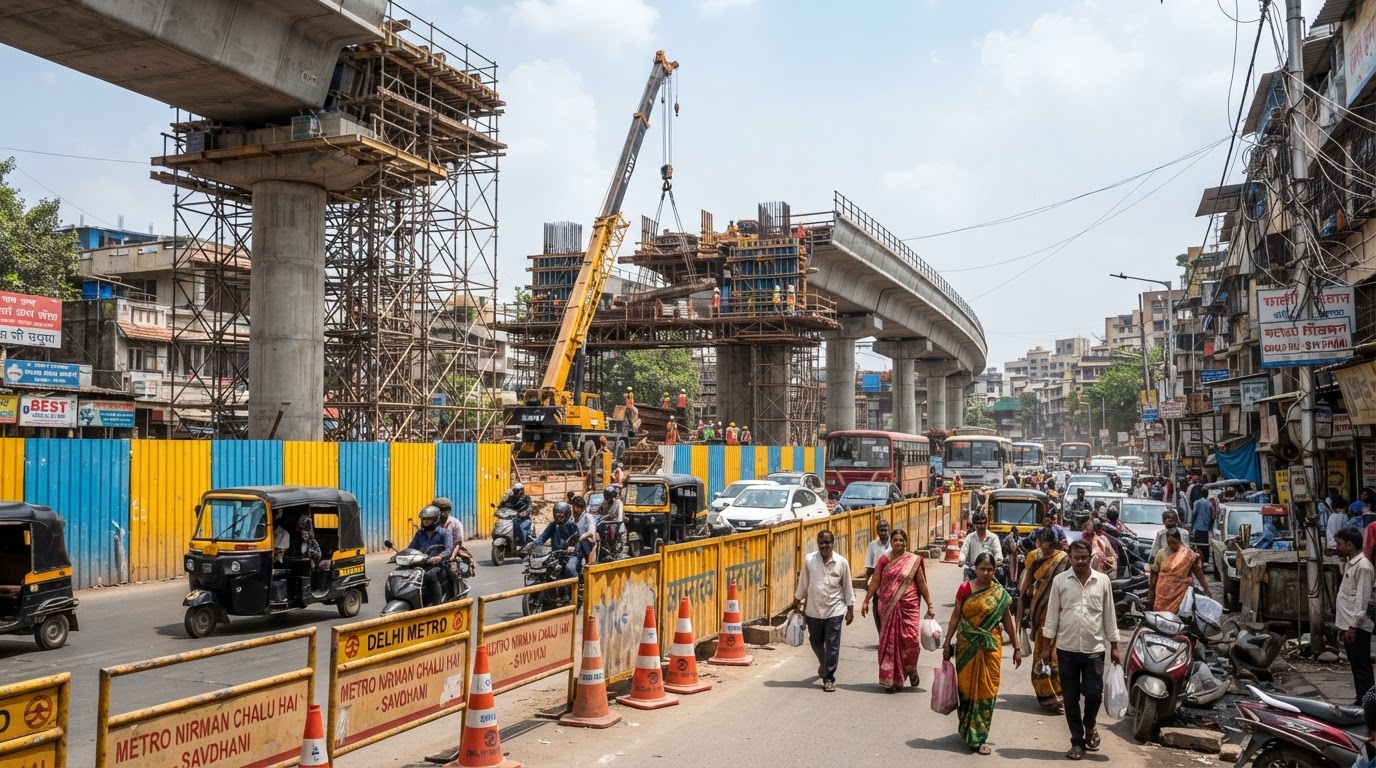
Mira-Bhayandar Metro Parking: Will Commuters Have Space to Park?
A civic demand has called for parking planning near Mira-Bhayandar Metro stations. Why station parking and last-mile access matter before Metro services expand.
Metro connectivity can change the way residents travel. But a station's usefulness depends on more than the trains themselves. Commuters need to reach stations safely and conveniently. For many residents, that means walking, using buses, auto-rickshaws, bicycles or travelling by private vehicle. A recent civic demand has raised the question of whether parking facilities should be planned near Mira-Bhayandar Metro stations before services become operational.
What has been reported?
Loksatta reported on November 4, 2026, that a demand had been raised for parking facilities near Metro stations in Mira-Bhayandar. The report described a letter to MMRDA calling for advance planning of parking because station areas could experience increased vehicle movement once Metro services begin. The demand highlights a practical commuter issue rather than confirming that a particular parking facility has already been approved.
Why station parking matters
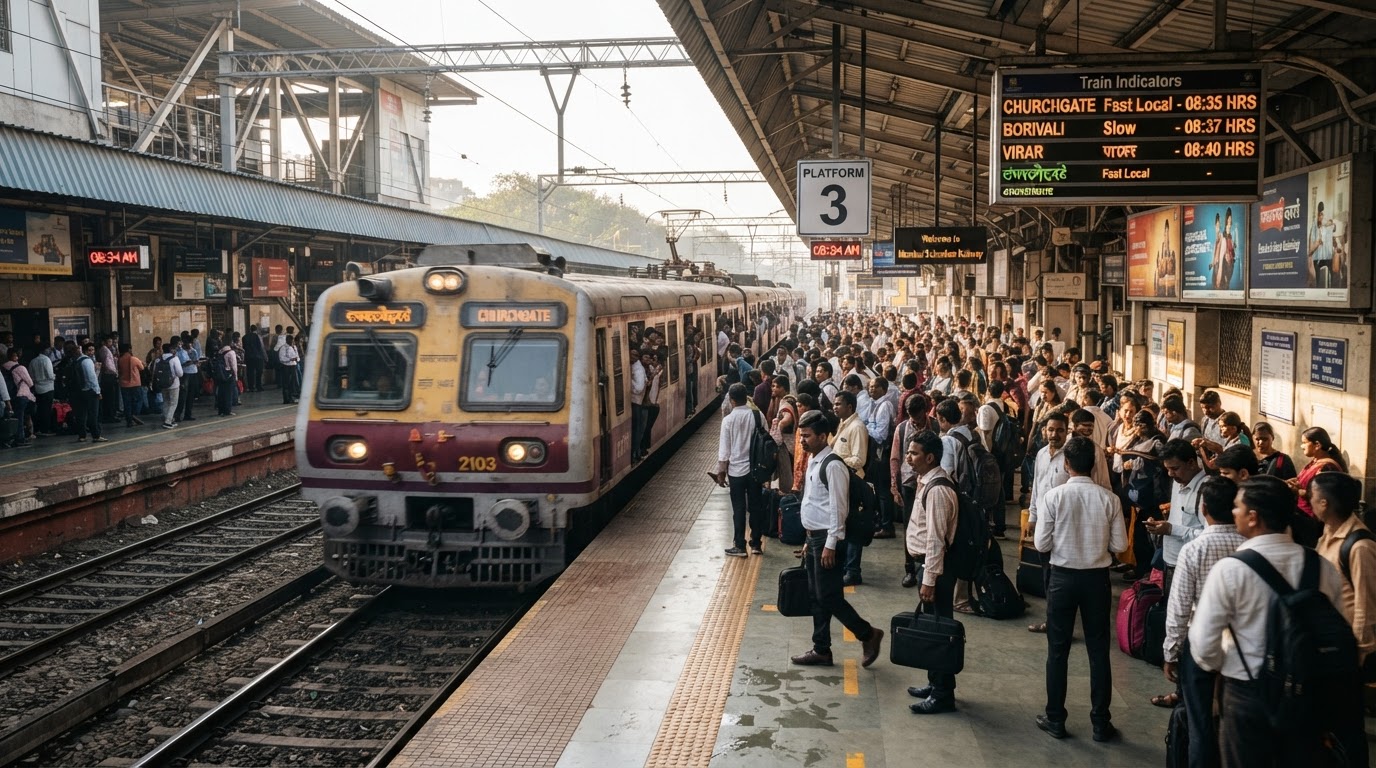
Metro stations can attract passengers from surrounding residential neighbourhoods. Some commuters may walk to the station. Others may use two-wheelers, cars, auto-rickshaws or feeder services. If parking is not planned properly, vehicles may spill into surrounding roads or create congestion near station entrances. The issue is particularly important in densely populated areas where road space is limited.
Parking is only one part of last-mile connectivity
A station needs a safe and convenient connection with the neighbourhood. That may include:
- Safe pedestrian routes.
- Clear station access.
- Auto-rickshaw pickup and drop-off areas.
- Bus or feeder connections.
- Accessible routes for people with mobility limitations.
- Properly managed parking.
- Traffic management near station entrances.
Parking alone cannot solve the commuter-access problem.
What should MMRDA and MBMC consider?
Planning should begin with an understanding of the number of passengers expected to use each station and how they are likely to arrive. Authorities should identify available land, traffic patterns, nearby residential areas and existing public transport. The final arrangements should be published clearly so commuters know where they can park, whether charges apply and which access routes are available.
What residents should watch for
Commuters should follow official announcements regarding station access, operating dates, parking arrangements and feeder services. A demand for parking does not mean a facility is already under construction or open.
Conclusion
Metro infrastructure can improve regional mobility, but its success will depend on how well stations connect with surrounding neighbourhoods. Planning parking and last-mile access before passenger services begin could help prevent avoidable congestion and make the Metro more convenient for Mira-Bhayandar residents.
Verified & Curated
Researched from official, named sources
Loksatta — Mira-Bhayandar Metro station parking demand.
Enjoying this story?
Get the best of Mira Road — local news, food finds and weekend plans — straight to your inbox.
Team Mira Road Blog
The editorial team behind MiraRoad.blog — covering local news, food, events and everything Mira Road & Mira Bhayandar, one story at a time.
Frequently asked questions
The cited report describes a demand for parking planning, not a confirmed facility at every station.
It may reduce informal parking and make station access more convenient for passengers who travel by private vehicle.
Not by itself. Walking access, public transport, feeder services and traffic management are also important.
Made for Mira Road. Built for the community.
Your neighbourhood, one story at a time.
Connected stories
Guides that build on what you just read.