Restaurant Hygiene in Mira Road: Food Safety Guide for Diners
Learn how to check restaurant hygiene, understand FSSAI information and make informed food choices in Mira Road and Mira Bhayandar.
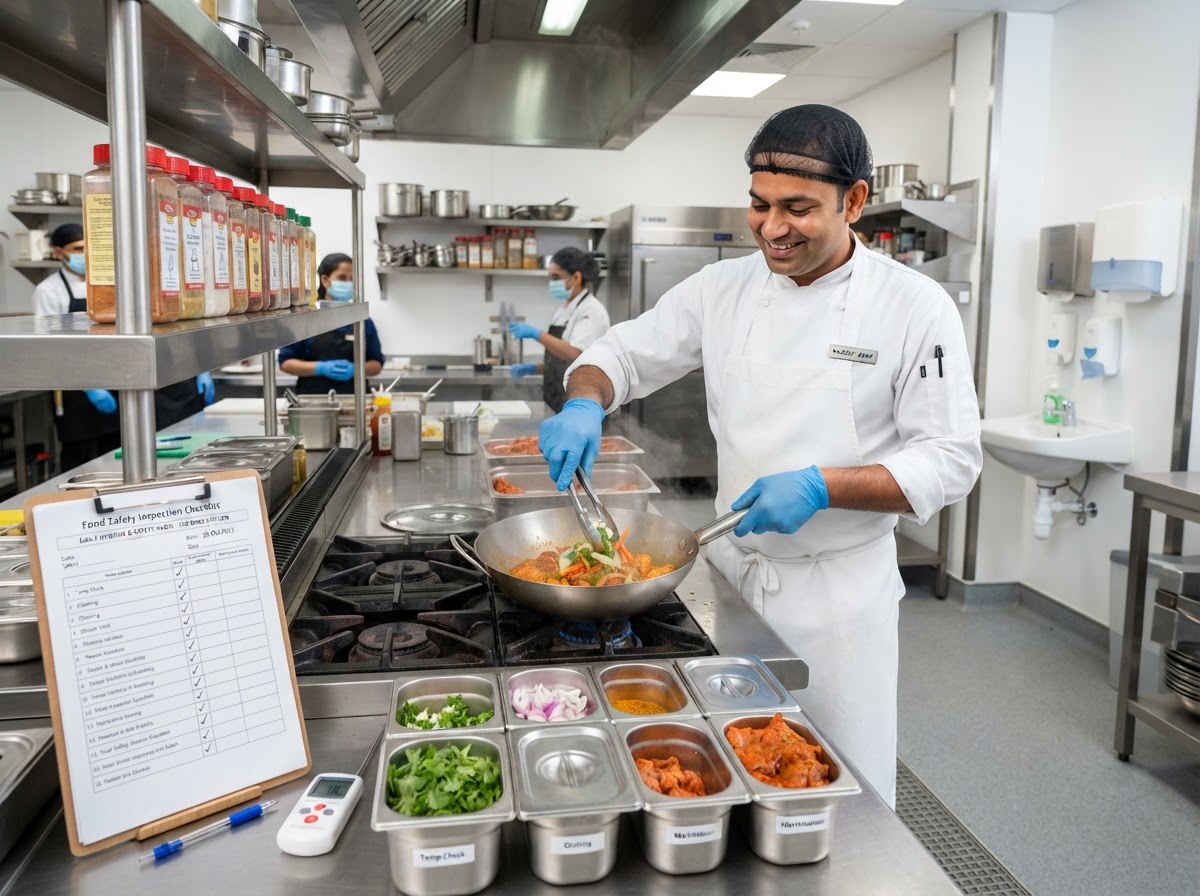
Eating out is part of everyday life, but diners also need to consider how food is prepared, stored and served. No customer can determine every aspect of food safety simply by looking at a restaurant. However, there are practical steps you can take to make informed choices and find reliable information about a food business. This guide explains how to approach restaurant hygiene in Mira Road and Mira Bhayandar without making unsupported claims about individual establishments.
What does food safety involve?
Food safety includes appropriate handling, preparation, storage and serving practices. Problems can arise when food is contaminated, stored at unsuitable temperatures or handled without adequate hygiene. The Food Safety and Standards Authority of India (FSSAI) is the national authority responsible for regulating food safety and supervising food-related standards and compliance.
The FSSAI website at fssai.gov.in is the primary national source for food safety standards, licensing and consumer guidance.
What can you observe when visiting a restaurant?
Look at the general condition of the dining area, tables, utensils and serving arrangements. Consider whether food is protected from unnecessary exposure and whether the premises appear reasonably maintained.
If you can see the preparation area, observe whether food handlers use appropriate practices and whether raw and ready-to-eat ingredients appear to be managed separately.
These observations are only a limited snapshot. A clean-looking dining room does not prove that all food-handling procedures are compliant, and a photograph cannot establish a restaurant's overall hygiene status.
What is an FSSAI licence or registration?
Food businesses in India are subject to applicable licensing or registration requirements under the food safety framework. FSSAI provides the Food Safety Compliance System (FoSCoS), which offers licensing and registration services and relevant search tools.
If you need to check a food business's details, use the official FoSCoS portal at foscos.fssai.gov.in. Do not assume that an unverified photograph of a certificate establishes that a business's registration is current.
The licensing requirements applicable to a business can depend on the nature and scale of its operations.
Understanding hygiene ratings
FSSAI provides a Hygiene Rating Scheme intended to help consumers make informed choices about certain food businesses. The scheme uses a scoring and rating process related to food-safety compliance. It includes categories such as restaurants, hotels, cafés, dhabas, bakeries and sweet shops.
Consumers can use the official rating search at hygiene.fssai.gov.in/knowRating.php to look up available records.
Do not assume that every restaurant has a published hygiene rating. If a rating is not available, that absence alone does not prove that the establishment is unsafe or non-compliant.
What if you have a food allergy?
Tell the restaurant clearly about the allergy before ordering. Ask whether the dish contains the ingredient and whether shared cooking surfaces, utensils or equipment could create cross-contact.
If you have a serious allergy, do not rely on an uncertain verbal assurance. A restaurant may not be able to guarantee that a dish is free from traces of an allergen. If you are unsure whether the food is safe for you, choose an alternative.
What should you do if you suspect a food-safety problem?
If food appears spoiled or contaminated, stop eating it and preserve the receipt or packaging where practical. Record the business name, date, dish and details of what you observed. If someone becomes seriously unwell, seek appropriate medical assistance.
For a formal concern, consult the relevant official food-safety complaint channel. Avoid making public allegations beyond what you can substantiate. A suspected incident should be investigated by the responsible authority rather than treated as proof of wrongdoing based on a single report.
How MiraRoad.blog should report restaurant hygiene
The publication should distinguish between the following categories of information:
- Officially published licence or registration information.
- An official hygiene rating.
- A firsthand observation by the reviewer.
- A customer's allegation.
- A confirmed regulatory finding.
These categories are not interchangeable. A restaurant review should never claim that a business is unsafe simply because one customer disliked the food. Similarly, a positive customer rating is not a substitute for regulatory verification.
Conclusion
Food safety depends on appropriate procedures, compliance and careful handling throughout the food supply chain. Diners can make more informed choices by checking official resources, asking about allergies and responding responsibly to concerns. MiraRoad.blog should rely on official records and clearly attributed evidence when discussing restaurant hygiene, while avoiding unsupported safety rankings or accusations.
Verified & Curated
Researched from official, named sources
FSSAI, FoSCoS, FSSAI Hygiene Rating Scheme and the official hygiene rating search portal.
Enjoying this story?
Get the best of Mira Road — local news, food finds and weekend plans — straight to your inbox.
Team Mira Road Blog
The editorial team behind MiraRoad.blog — covering local news, food, events and everything Mira Road & Mira Bhayandar, one story at a time.
Frequently asked questions
No. Licensing or registration information is not a guarantee that every meal or food-handling practice is free of risk. It shows the business is registered under the food safety framework.
Use the official FSSAI Hygiene Rating portal at hygiene.fssai.gov.in to search for available records. Not every restaurant has a published rating.
Prioritise medical assistance and appropriate official reporting. Avoid presenting unverified allegations as established facts.
Tell the restaurant clearly before ordering, ask about ingredients and cross-contact, and do not rely on an uncertain verbal assurance for a serious allergy.
Preserve the receipt or packaging, record the business name, date and dish, seek medical help if needed, and use the official food-safety complaint channel rather than making public allegations.
Made for Mira Road. Built for the community.
Your neighbourhood, one story at a time.