432 of 508 Wells Missing in Mira-Bhayandar? The Water Crisis Investigation
Only 76 of 508 historical wells reportedly remain in Mira-Bhayandar. Explore the findings, disappearing water sources and questions residents want answered.
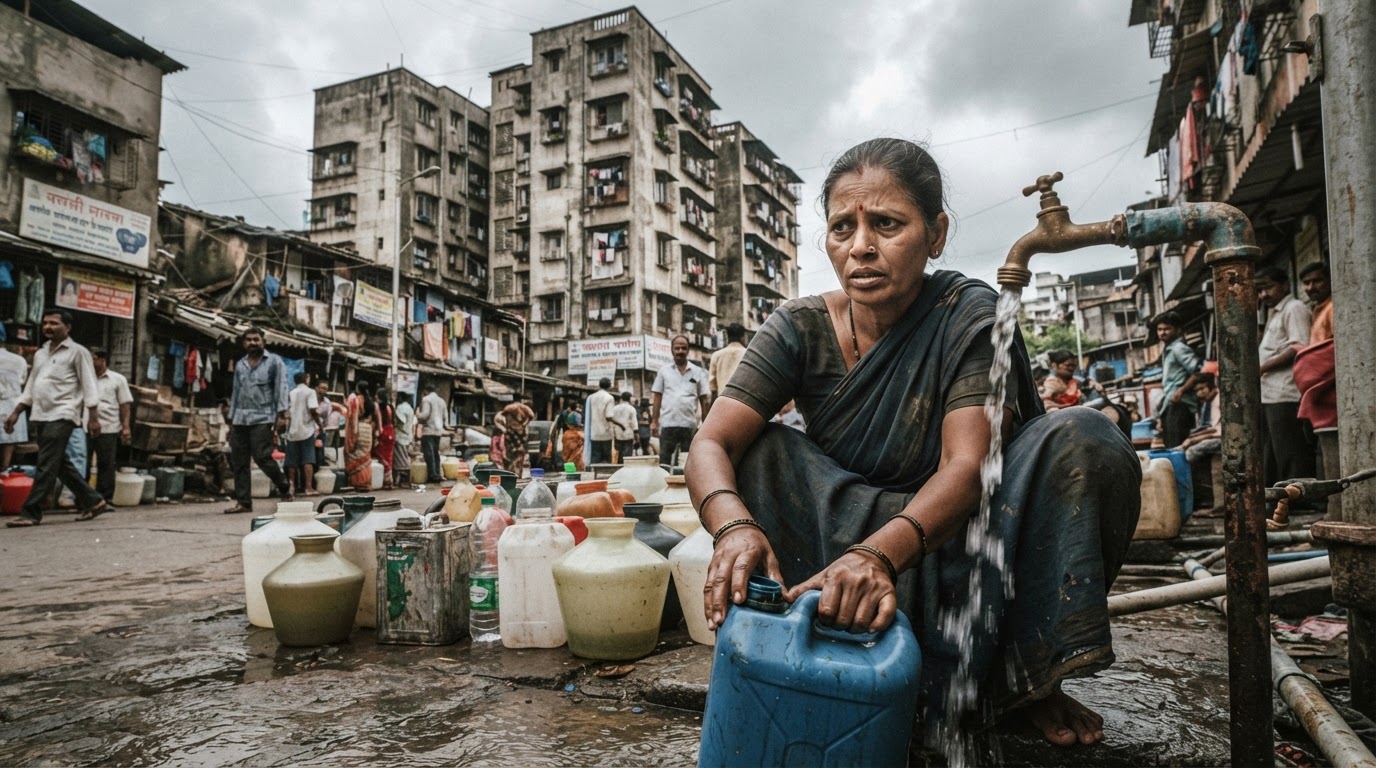
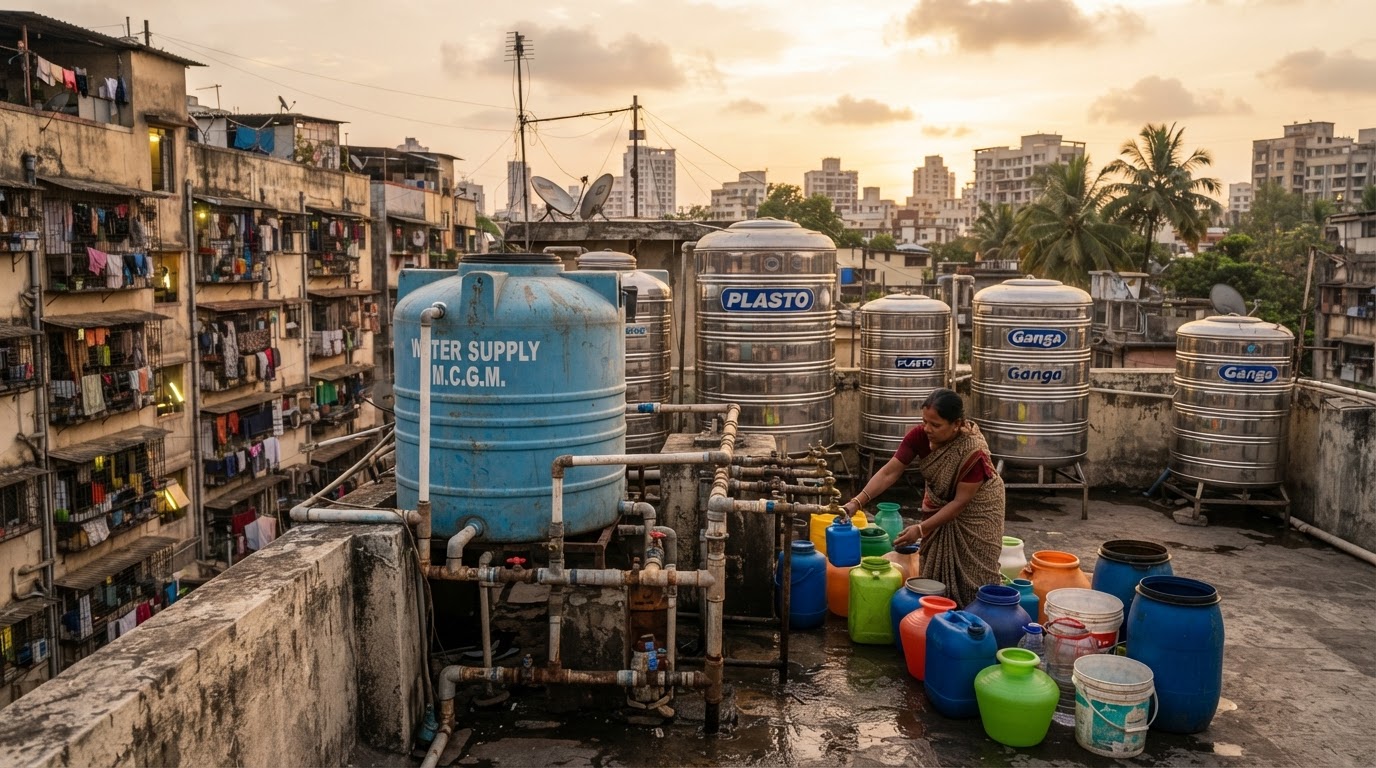
Mira-Bhayandar is facing water shortages, scheduled supply cuts and growing concerns about how the city will meet its future demand. But a recent municipal survey has revealed another issue that deserves attention: the dramatic difference between the number of wells recorded in the city's historical records and the number reportedly found to remain today.
According to reporting published on November 21, 2026, Mira-Bhayandar Municipal Corporation's survey identified only 76 live wells out of 508 wells recorded during the city's municipal-council period between 1985 and 2002. The difference—432 wells—has raised questions about the city's disappearing traditional water sources.
What did the survey reportedly reveal?
The historical records reportedly listed 508 wells across Mira-Bhayandar. The latest figures cited by Hindustan Times indicate that only 76 wells remain:
Public wells: 115 historically, 54 reportedly remaining. Private wells: 393 historically, 22 reportedly remaining. Total: 508 historically, 76 reportedly remaining.
The numbers indicate a substantial decline in recorded and identified wells. However, the word "missing" does not automatically establish that every well was illegally filled, destroyed or encroached upon. Some wells may have been filled, covered, altered, inaccessible, abandoned or no longer identifiable. A proper site-by-site verification would be needed to establish the status and history of each location.
Why wells mattered to Mira-Bhayandar
Before rapid urban development, the villages that now form Mira-Bhayandar relied on traditional water sources for household use, agriculture and other local needs. Areas including Bhayandar, Goddev, Navghar, Khari, Ghodbunder, Mira, Kashi, Varsave, Murda, Rai, Morva and Dongri developed around village settlements with their own local water resources.
Wells provided an important source of water, particularly before the city expanded into large residential neighbourhoods. As urbanisation increased, the landscape changed. Buildings, roads, commercial areas and infrastructure replaced many older open spaces. The latest survey figures raise a question about how much of the city's historical water infrastructure survived that transformation.
What happened to the missing wells?
The exact answer cannot be established from the reported totals alone. The survey identifies a difference between historical records and the current count. It does not provide a verified explanation for every well. Possible explanations that investigators would need to examine include:
- Wells being filled or covered during development.
- Construction or redevelopment taking place around former well locations.
- Changes in land ownership.
- Wells becoming inaccessible or difficult to identify.
- Historical records being incomplete or inconsistent.
- Wells being abandoned or becoming unusable.
The municipal corporation and relevant departments would need to verify these possibilities individually before assigning responsibility.
Why disappearing water sources matter today
Mira-Bhayandar is already dealing with water restrictions and supply interruptions. Traditional wells can have different roles depending on groundwater conditions, water quality, location and maintenance. Even when a well is not suitable for drinking, it may have ecological or groundwater-related value.
The loss of local water bodies can also reduce the city's ability to understand and preserve its water history. However, restoring a well does not automatically mean that it can safely provide drinking water. Water quality, groundwater levels, contamination risks and engineering conditions must all be assessed.
The importance of lakes and ponds
The same reporting also raised concerns about the city's historical lakes and ponds. The records reportedly identified 35 lakes and ponds, while the latest information indicated that 22 still had water stock. These water bodies are different from wells, and their status should be independently documented.
The city needs a reliable inventory identifying the locations, ownership, condition, water levels and legal status of its lakes, ponds and wells.
Could the missing wells be connected to real-estate development?
Reports have raised allegations that some traditional water sources may have been filled or claimed during development. Such allegations deserve investigation, especially where historical records identify a water body at a location that is now built up. But a numerical discrepancy alone does not establish that a particular developer, property owner or official illegally destroyed a well.
The responsible approach would be to compare old maps, property records, survey numbers, photographs, site inspections and approvals.
What residents are asking for
The latest figures have renewed demands for a proper physical survey. Residents and environmental groups could reasonably ask MBMC to:
- Publish the list of the 508 historical well locations.
- Map the wells using GPS coordinates.
- Identify which wells are still visible or accessible.
- Document wells that have been covered or filled.
- Investigate any suspected unlawful alteration.
- Publish a separate inventory of lakes, ponds and borewells.
- Develop a preservation or restoration plan where feasible.
Publishing the results would help residents understand whether the disappearance of traditional water sources is connected to the city's current water challenges.
What can Mira-Bhayandar do now?
The first step is documentation. The municipal corporation should establish a reliable inventory and identify the status of each water source.
The second step is verification. Where historical records and current conditions differ, officials should inspect the locations and determine what happened.
The third step is preservation. Where wells or water bodies remain and can be safely maintained, the city should assess their potential for conservation, groundwater monitoring or other appropriate uses.
The fourth step is public transparency. Residents should have access to the findings and understand which locations are under investigation, which have been verified and which may be candidates for restoration.
Conclusion
The disappearance of 432 wells from Mira-Bhayandar's historical records is a significant civic issue. The figures deserve more than a headline. They require a transparent investigation into the city's traditional water infrastructure and a clear understanding of what happened to these recorded water sources.
At a time when residents are struggling with water supply, the city should not only look at how much water it can obtain from external sources. It should also understand what happened to the local water resources it once had.
Verified & Curated
Researched from official, named sources
Hindustan Times — 76 of 508 wells survive; Navarashtra — 432 wells missing.
Enjoying this story?
Get the best of Mira Road — local news, food finds and weekend plans — straight to your inbox.
Team Mira Road Blog
The editorial team behind MiraRoad.blog — covering local news, food, events and everything Mira Road & Mira Bhayandar, one story at a time.
Frequently asked questions
The reported historical count was 508 wells.
The latest survey figures reported 76 live wells: 54 public and 22 private.
No. It identifies a difference between historical records and the current reported count. The status and cause for each missing well need verification.
Wells are traditional water sources and may also contribute to groundwater management. Their suitability for use depends on location, water quality and condition.
Publish a location-wise inventory, physically verify the historical sites and investigate any suspected unlawful alteration.
Made for Mira Road. Built for the community.
Your neighbourhood, one story at a time.
Connected stories
Guides that build on what you just read.