Mira Bhayandar Jain City Controversy: The Remark and Apology Explained
Understand the October 2026 controversy over a remark describing Mira Bhayandar as a Jain city, the backlash and the reported apology.
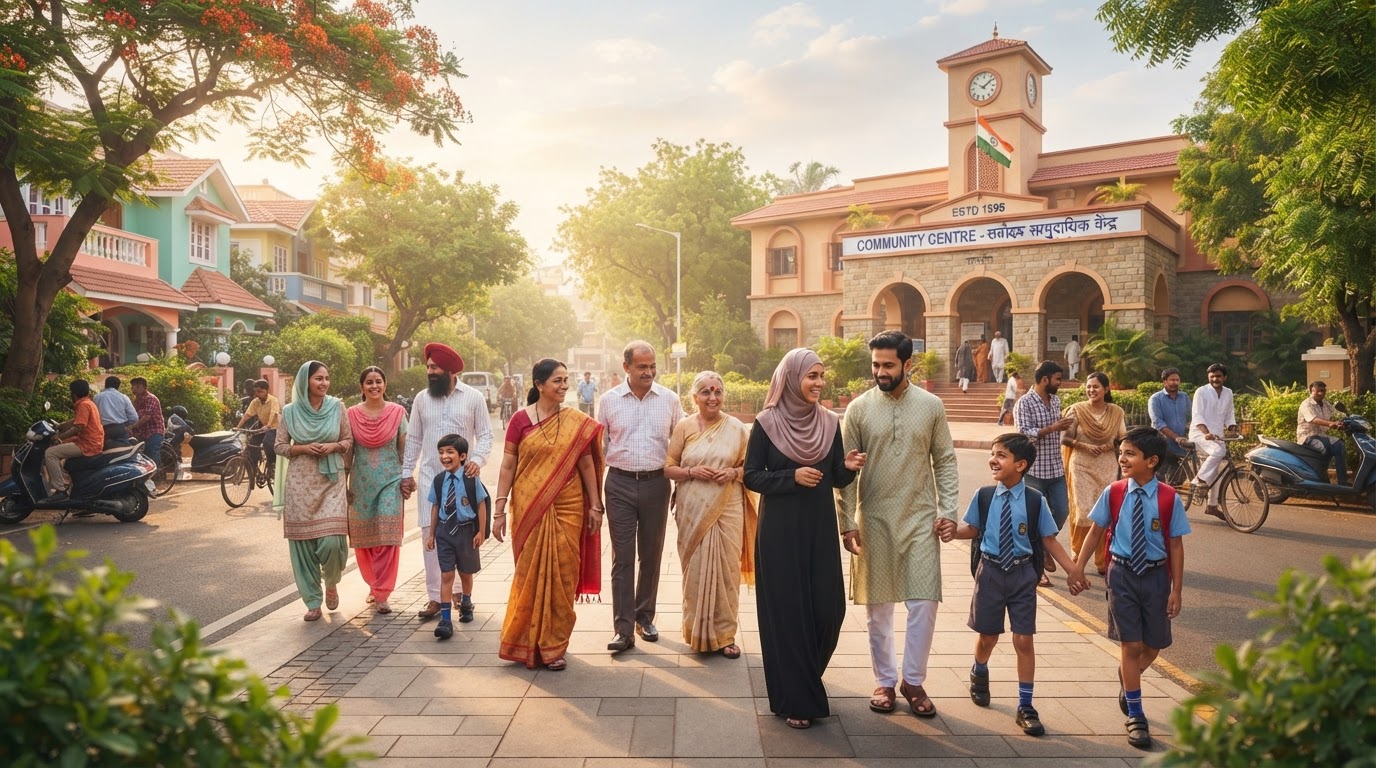
A public remark describing Mira Bhayandar as primarily a Jain city prompted criticism from political groups and community organisations in October 2026.
The controversy has raised questions about how elected representatives describe a diverse city and the importance of inclusive language in public debate.
What triggered the controversy?
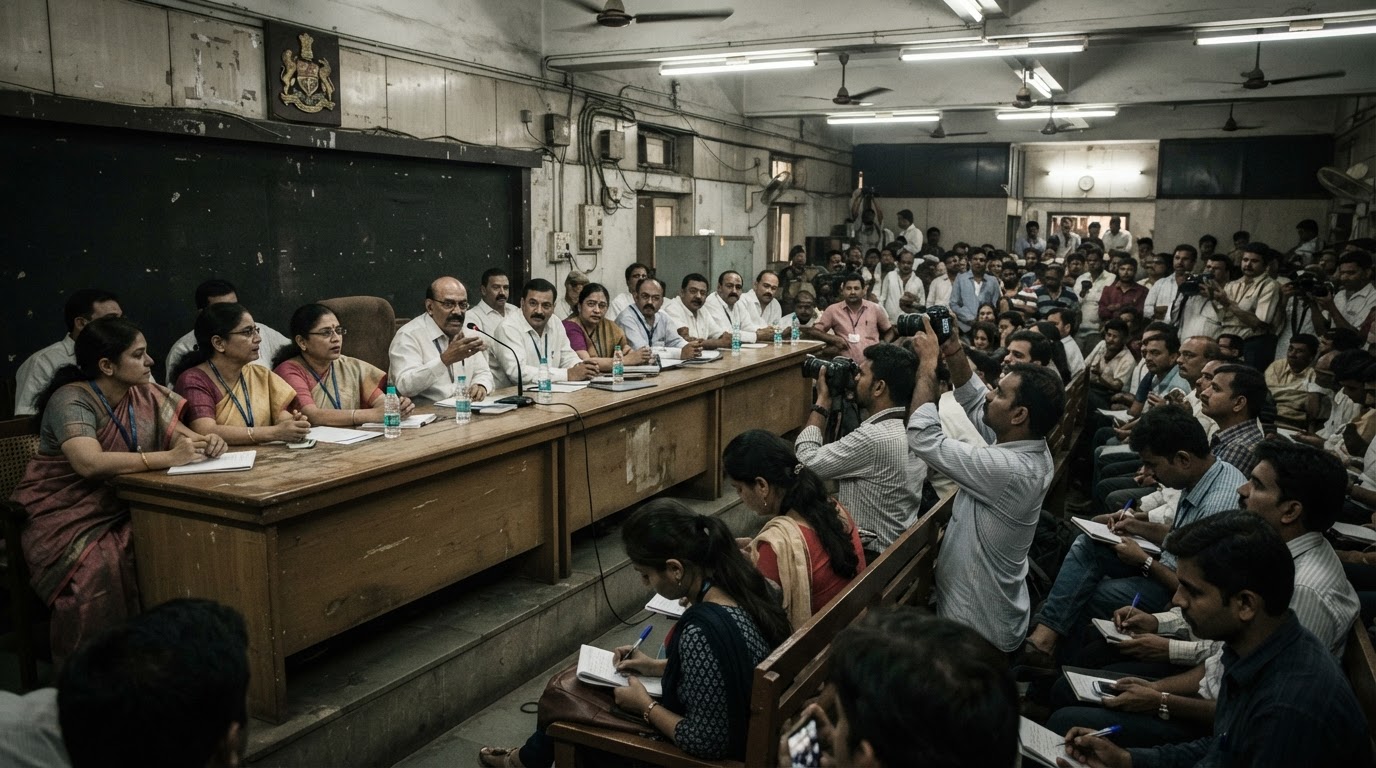
The Times of India reported on October 1 that Mira Bhayandar MLA Narendra Mehta faced backlash after describing the city as primarily a Jain city.
The report connected the controversy to a dispute over a school's food restrictions during the Paryushan period. Opposition parties and social organisations criticised the remark, and the MLA subsequently apologised, according to the report.
The precise wording, context and subsequent statements should be read in the original reporting rather than reconstructed from social-media excerpts.
Why did people object?
Mira Bhayandar is home to residents with different religions, languages, cultural practices and dietary preferences. Describing a whole city primarily through one community's identity can be interpreted as overlooking other residents, even where the speaker intended to acknowledge a community's influence.
The controversy therefore became about more than a single sentence: it concerned representation, belonging and the responsibilities of public figures when discussing shared civic spaces.
How was the controversy connected to the school food dispute?
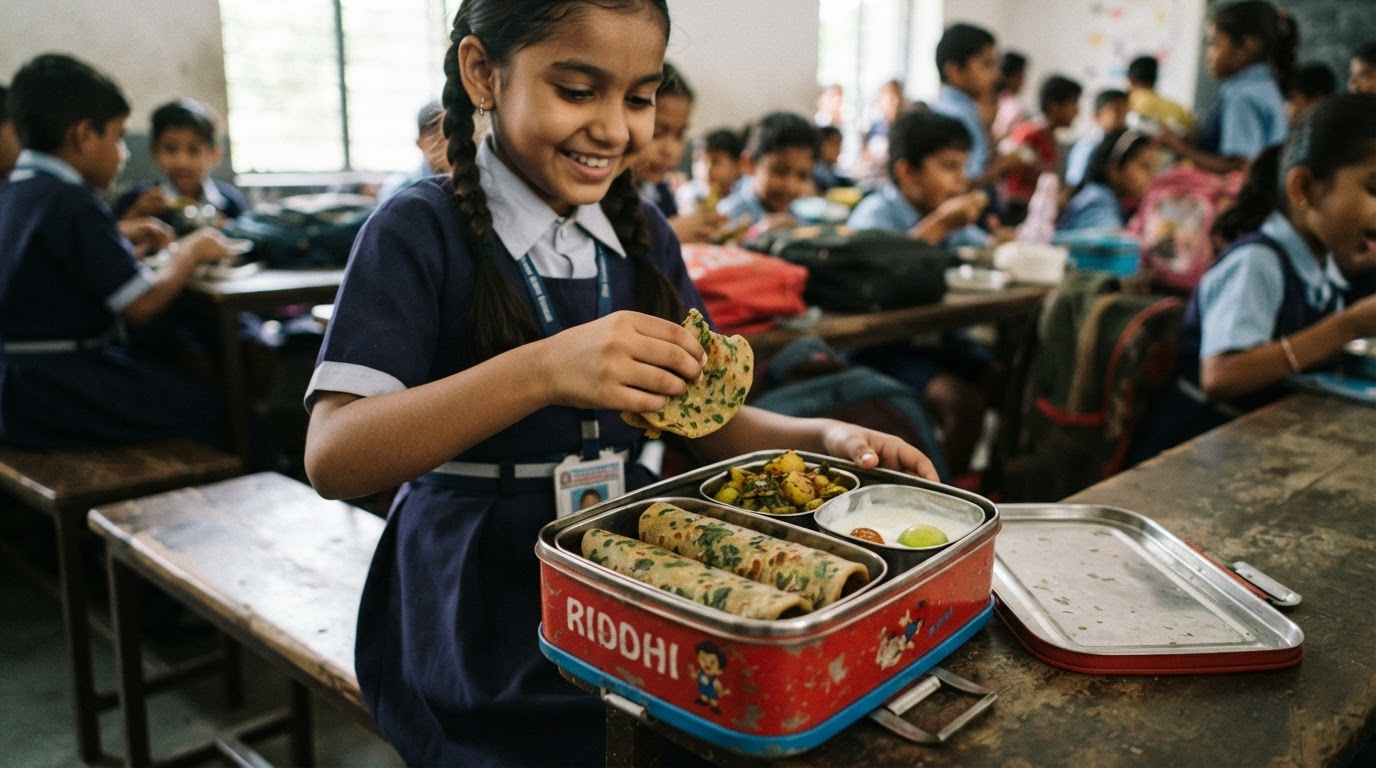
The same reporting described the wider debate over restrictions on food brought to school during Paryushan. School food policies can involve questions about religious practice, parental expectations, student welfare and the rights of children from different backgrounds.
The specific school dispute and the politician's remarks should be reported separately where their facts differ. One controversy does not automatically establish the facts of the other.
What happened after the remark?
The Times of India reported that Mehta apologised following the criticism. Any later clarification or further developments should be added only after checking reliable reporting or an official statement.
A fair article should explain the response as well as the criticism, without turning the issue into a confrontation between religious communities.
Frequently asked questions
The reporting identified MLA Narendra Mehta.
The Times of India published its report on October 1, 2026.
Yes. The report stated that Mehta apologised following the backlash.
Conclusion
The controversy shows how public language can affect people's sense of belonging in a diverse city. The most useful approach is to document the exact remarks and response, explain the context and allow residents to discuss civic issues without stereotyping or targeting communities.
Verified & Curated
Researched from official, named sources
Times of India — Mira-Bhayandar MLA apologises after Jain city remark row.
Enjoying this story?
Get the best of Mira Road — local news, food finds and weekend plans — straight to your inbox.
Team Mira Road Blog
The editorial team behind MiraRoad.blog — covering local news, food, events and everything Mira Road & Mira Bhayandar, one story at a time.
Frequently asked questions
The reporting identified MLA Narendra Mehta.
The Times of India published its report on October 1, 2026.
Yes. The report stated that Mehta apologised following the backlash.
Made for Mira Road. Built for the community.
Your neighbourhood, one story at a time.
Connected stories
Guides that build on what you just read.