Mira Bhayandar Police Constable Arrested in Drug Case: What We Know
Local reports describe a police constable's arrest in an alleged drug-selling case. Understand the reported seizure, investigation and accountability questions.

Police officers are entrusted with enforcing the law. When an officer is accused of involvement in illegal activity, the case raises questions not only about individual conduct but also about oversight and public confidence.
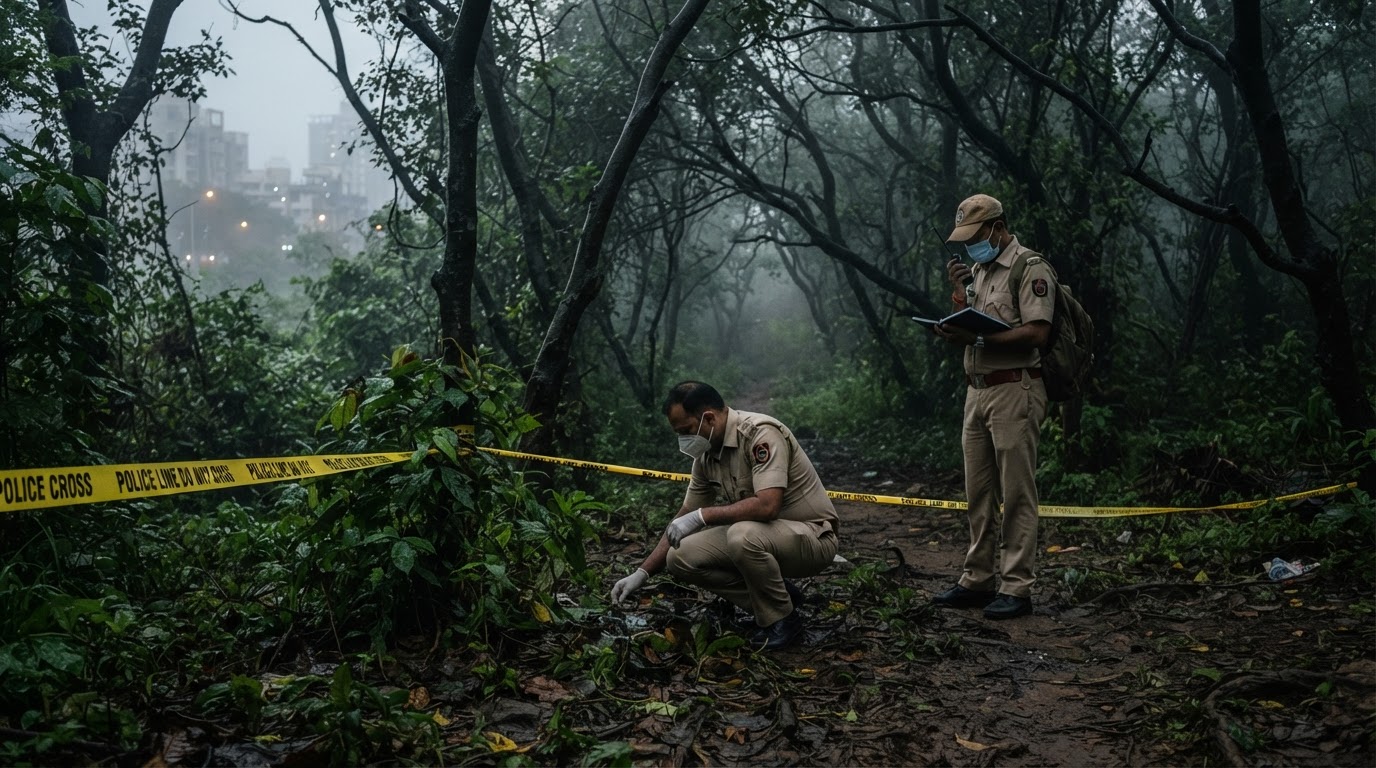
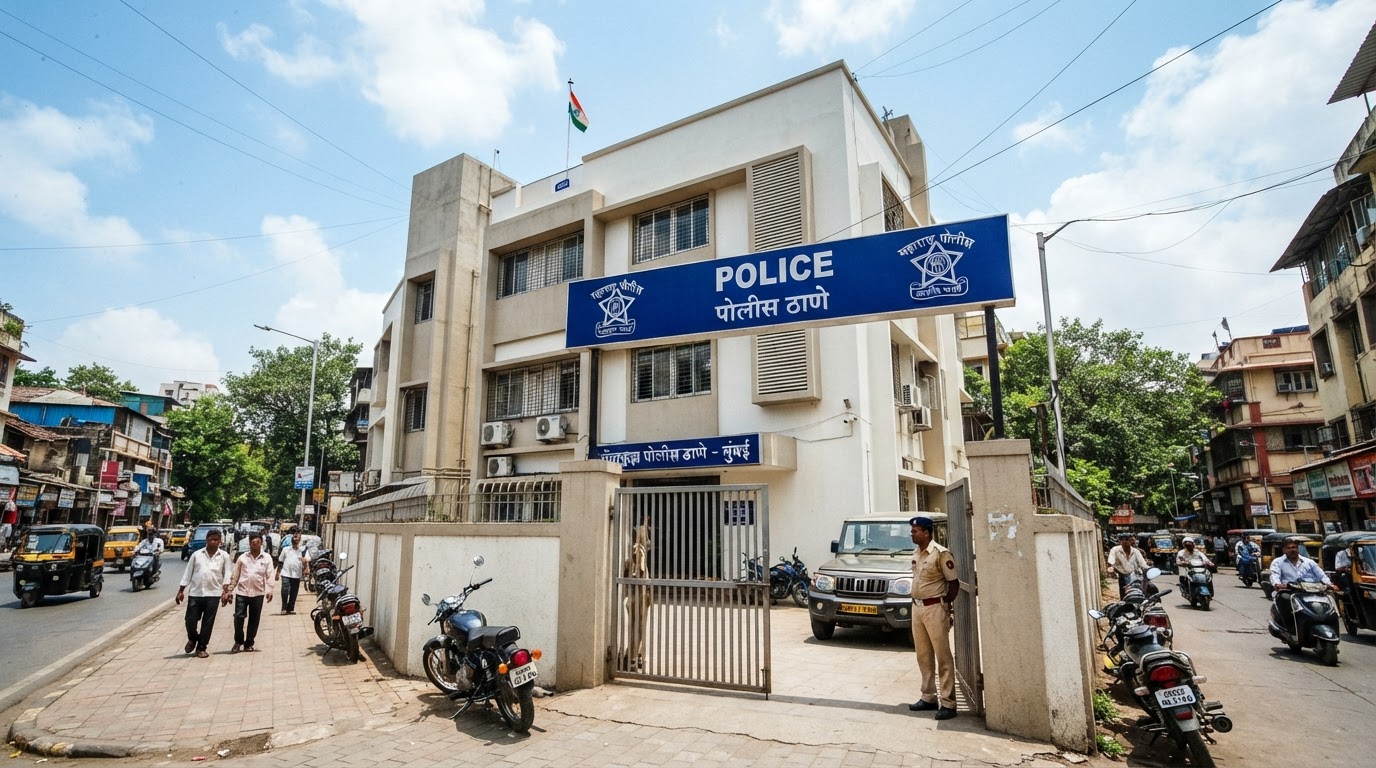
Local reporting on October 19, 2026, described the arrest of a police constable attached to the Mira Bhayandar Police Commissionerate in an alleged drug-selling case.
What has been reported?
Loksatta reported that a constable had been arrested in connection with alleged drug sales and that property worth approximately ₹1.32 lakh had been seized.
The report also said investigators were examining where the alleged drugs had come from and whether other people were involved.
The available report does not, by itself, establish the final findings of the investigation or any court determination.
Why does this case matter?
Police officers have access to public authority, institutional information and responsibilities that ordinary citizens do not have. Allegations of criminal conduct by an officer therefore require a transparent and impartial investigation.
At the same time, an arrest should not be treated as proof that every allegation is true. The evidence, charges and outcome of the legal process matter.
What should the public expect?
A credible investigation should establish the nature of the alleged substance, the circumstances of the seizure, the source of the supply and whether any other individuals were involved.
The department should also clarify what administrative action, if any, has been taken in accordance with applicable procedures. Public communication should distinguish confirmed facts from claims that remain under investigation.
Does one case prove a wider problem?
No. One reported case cannot establish that an entire police force is involved in wrongdoing.
It does, however, demonstrate why complaint mechanisms, internal oversight and independent investigation matter. Institutions build public trust by addressing credible allegations rather than dismissing questions or making unsupported claims.
What happens next?
Residents should look for verified police statements, court developments and reliable follow-up reporting. If charges are filed, the nature of those charges and the subsequent legal process should be explained accurately.
The unfiltered takeaway
The public has a legitimate interest in accountability when an officer is accused of a crime. That accountability must work in both directions: allegations should be investigated seriously, and individual guilt should not be declared before the evidence and legal process establish it.
Verified & Curated
Researched from official, named sources
Loksatta's Mira Bhayandar news coverage, October 19, 2026.
Enjoying this story?
Get the best of Mira Road — local news, food finds and weekend plans — straight to your inbox.
Team Mira Road Blog
The editorial team behind MiraRoad.blog — covering local news, food, events and everything Mira Road & Mira Bhayandar, one story at a time.
Frequently asked questions
Loksatta reported that a constable had been arrested in connection with alleged drug sales and that property worth approximately ₹1.32 lakh had been seized.
No. An arrest is not a finding of guilt. The evidence, charges and outcome of the legal process matter.
No. One reported case cannot establish that an entire police force is involved in wrongdoing. It does, however, demonstrate why complaint mechanisms and independent investigation matter.
Made for Mira Road. Built for the community.
Your neighbourhood, one story at a time.
Connected stories
Guides that build on what you just read.