Religious and Cultural Places in Mira Road and Mira Bhayandar
Discover how to explore religious landmarks and cultural destinations around Mira Road respectfully, using verified local information.
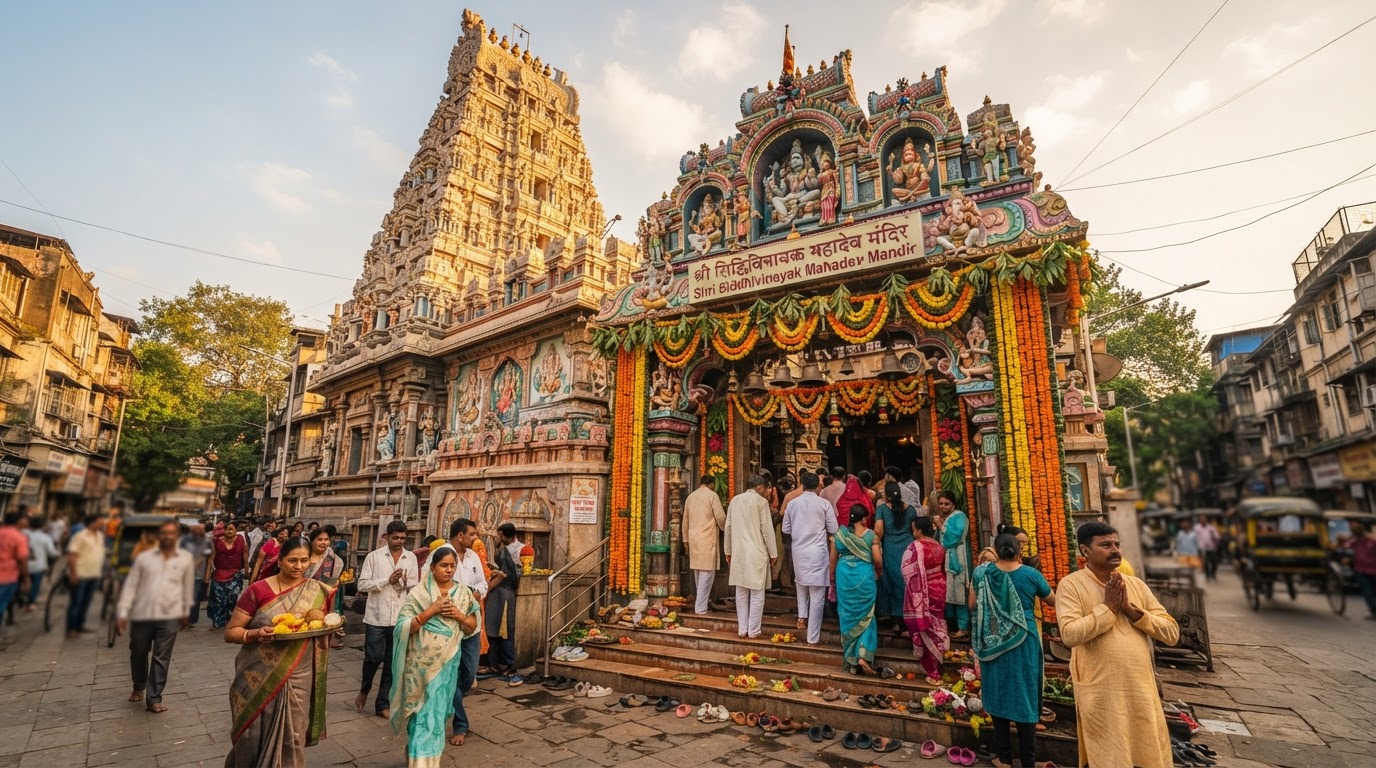
Mira Road and Mira Bhayandar are home to communities with different religious and cultural traditions. Places of worship can be important local landmarks, serving as centres for prayer, community gatherings and festivals. For residents who want to learn more about the region, exploring these places can provide insight into the cultural life of the area. A useful guide should focus on verified locations, visitor etiquette and accurate information rather than ranking religious traditions or making unsupported historical claims.
Religious landmarks in the wider area
MBMC's draft revised development-plan report includes a heritage and tourism section that lists several religious destinations in Mira Road. The listed sites include Hare Rama Hare Krishna Temple (ISKCON), Shri Sai Baba Mandir, Ganesh Mandir, Sri Swaminarayan Mandir, Haidry Jama Masjid, Shama Mosque, Aziziya Mosque and Ahle Hadith Mosque.
The report records these as active at the time of its preparation. Their current status, access arrangements and visitor rules should be confirmed before publication or a visit.
How to plan a visit
Before travelling, verify the exact address and whether visitors are welcome at the time you plan to arrive. Some sites may have specific visiting hours, worship schedules, dress expectations or photography restrictions. Follow instructions from the site's management and avoid disturbing people who are praying or participating in a ceremony. If visiting during a festival or special event, check whether the public can attend and whether additional traffic or access arrangements apply.
Learn about local traditions
Religious and cultural places can help visitors understand the diverse communities that form part of Mira Bhayandar. When documenting a tradition, use reliable sources and, where appropriate, speak with community representatives who can explain its significance.
Do not assume that every member of a community follows the same customs or that practices remain unchanged over time.
Photography and respectful behaviour
Always check whether photography is permitted. Avoid photographing worshippers in ways that intrude on their privacy. Follow any requirements regarding footwear, clothing or entry into particular areas. Visitors should treat places of worship as active community spaces, not simply as tourist backdrops.
How MiraRoad.blog can document cultural landmarks
For each location, record the verified name, address, official website or contact information where available, current visiting arrangements and the source of any historical claims. If the site has a documented heritage designation, cite the relevant official record. If historical information comes from oral tradition, attribute it to the source rather than presenting it as independently verified fact.
Conclusion
Religious and cultural landmarks are an important part of local life in Mira Road and Mira Bhayandar. A responsible guide helps residents and visitors understand the places they encounter while respecting the communities that use them. MiraRoad.blog should prioritise accurate addresses, current access details and properly sourced historical information.
Verified & Curated
Researched from official, named sources
MBMC Draft Revised Development Plan, and MBMC tourism portal.
Enjoying this story?
Get the best of Mira Road — local news, food finds and weekend plans — straight to your inbox.
Team Mira Road Blog
The editorial team behind MiraRoad.blog — covering local news, food, events and everything Mira Road & Mira Bhayandar, one story at a time.
Frequently asked questions
Start with the MBMC planning report and current map listings, then verify details directly with the relevant institution.
Not necessarily. Check current visitor rules and opening arrangements.
No. Historical claims should be supported by reliable records or clearly attributed sources.
Made for Mira Road. Built for the community.
Your neighbourhood, one story at a time.
Connected stories
Guides that build on what you just read.