Ghodbunder Fort History: A Heritage Landmark Near Mira Bhayandar
Discover the documented history of Ghodbunder Fort and its place in the wider historical landscape of Thane and Mira Bhayandar.
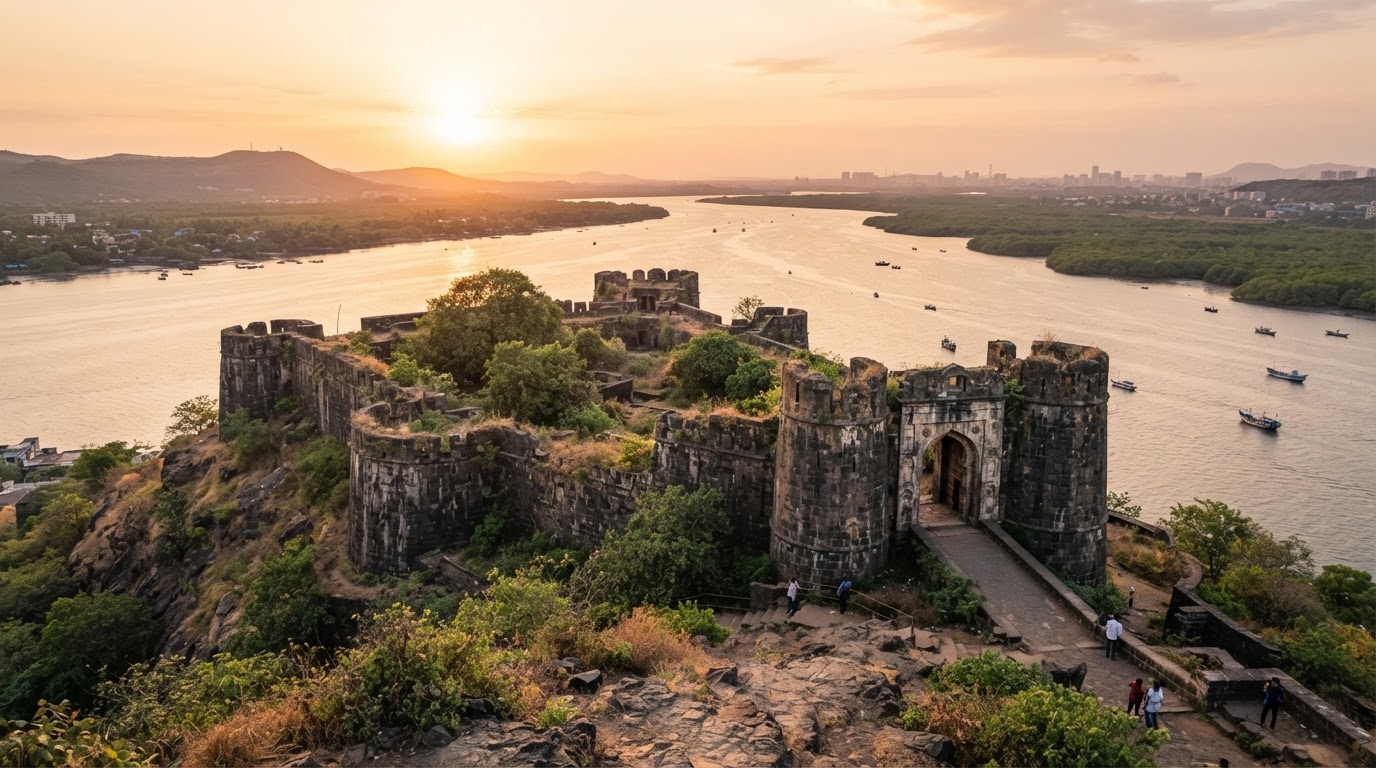
The wider Mira Bhayandar region sits within a part of Maharashtra that has a rich history of coastal settlements, trade routes and defensive structures. One landmark associated with the surrounding historical landscape is Ghodbunder Fort, located in the Thane region. Although the fort is not the same as Mira Road itself, its history helps provide context for the broader area in which modern Mira Bhayandar developed.
Where is Ghodbunder Fort?
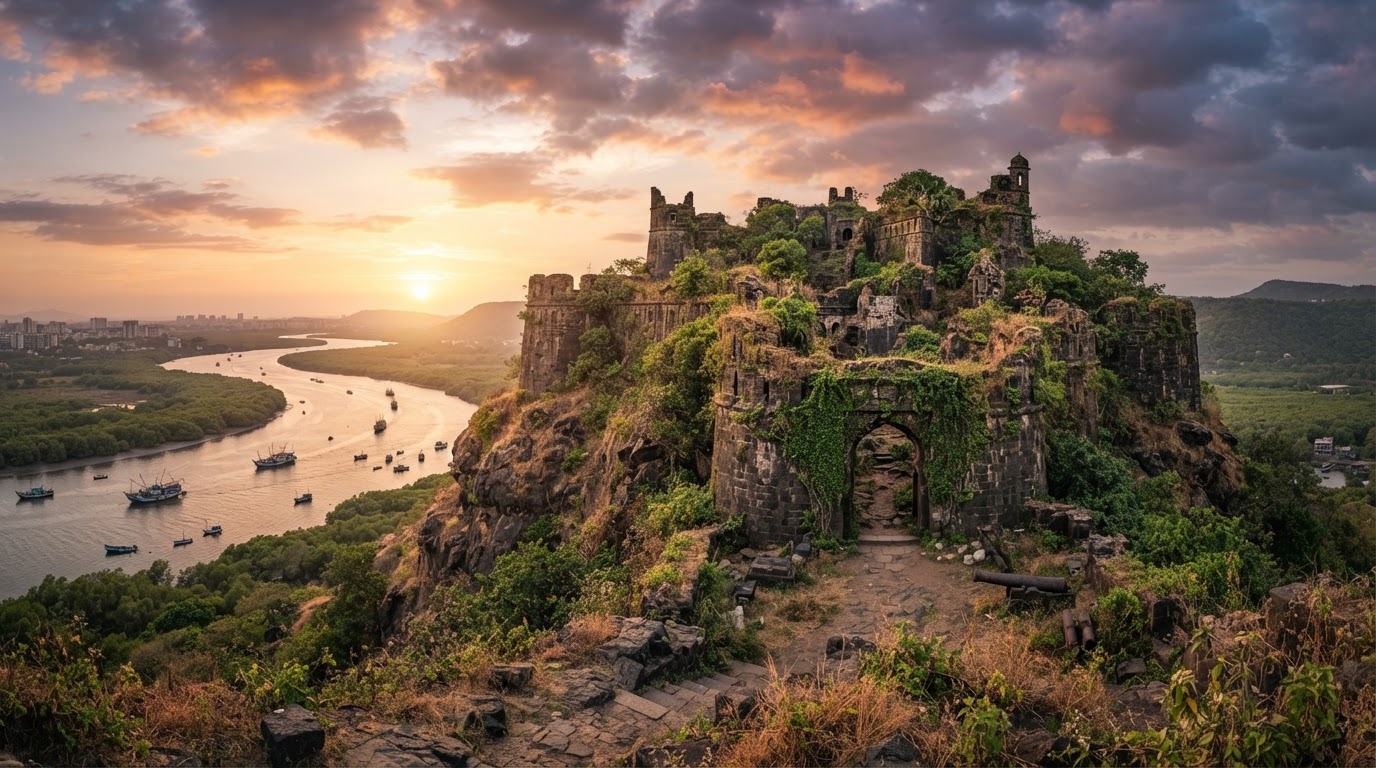
Ghodbunder Fort is in the wider Thane region, near the Ulhas River. The Maharashtra Tourism Department identifies it as a historic fort built by the Portuguese in the 16th century. Its position overlooking the river landscape helped make it a strategic location. For visitors interested in history, the fort offers a way to explore a part of the region's past beyond the residential streets and commercial districts of modern Mira Road.
The Portuguese period
According to Maharashtra Tourism, the fort was built by the Portuguese during the 16th century. Its location was important for military purposes and for the control of movement in the surrounding region. The fort's history forms part of the wider story of European colonial influence along the western coast of India.
For a complete account of its construction, ownership and military role, historical records from the relevant Portuguese, British and regional archives would be valuable.
The change in control
Maharashtra Tourism records that the fort was later captured by the East India Company. This transition reflects the wider political changes that affected the Thane region and the western coast during the colonial period. The fort's history should be understood in that broader context rather than treated as a direct timeline of Mira Road's own development.
What can visitors learn from the fort today?
The remaining structures and ruins provide a visible connection to the region's historical landscape. The site can help visitors think about how geography influenced the location of defensive structures and how the political history of the wider region changed over time.
Conditions at heritage sites can vary, and not every part of a historic structure is necessarily safe or accessible. Visitors should follow current access rules and avoid climbing unstable walls or entering restricted areas.
Ghodbunder Fort and the history of Mira Bhayandar
MBMC's official history includes Ghodbunder among the landmarks associated with the wider municipal region. That association makes the fort relevant to a regional heritage guide for MiraRoad.blog. However, its history is distinct from the history of the Mira village, the formation of the municipality and the later expansion of residential Mira Road.
A responsible local history publication should explain these connections without suggesting that every landmark was part of the same settlement or administrative unit.
Planning a heritage visit
Before visiting, check current access conditions, travel routes and any restrictions announced by the relevant authorities. Use reliable maps and official tourism information to plan the journey. Do not assume that opening arrangements, visitor facilities or permitted activities remain unchanged based on an old blog post or photograph.
Conclusion
Ghodbunder Fort provides a window into the historical landscape surrounding Mira Bhayandar. Its documented Portuguese origins and later capture by the East India Company make it a useful subject for a regional heritage series. MiraRoad.blog can explore the fort further through official heritage records, historical maps and carefully sourced accounts of the region's past.
Verified & Curated
Researched from official, named sources
Maharashtra Tourism — Thane and MBMC — About Us.
Enjoying this story?
Get the best of Mira Road — local news, food finds and weekend plans — straight to your inbox.
Team Mira Road Blog
The editorial team behind MiraRoad.blog — covering local news, food, events and everything Mira Road & Mira Bhayandar, one story at a time.
Frequently asked questions
It is a historical landmark in the wider Thane region and is associated with the broader Mira Bhayandar historical landscape, but it is not the same place as Mira Road.
Maharashtra Tourism identifies the Portuguese as its builders during the 16th century.
Its location and later change in control reflect the wider military and political history of the Thane region.
Made for Mira Road. Built for the community.
Your neighbourhood, one story at a time.
Connected stories
Guides that build on what you just read.