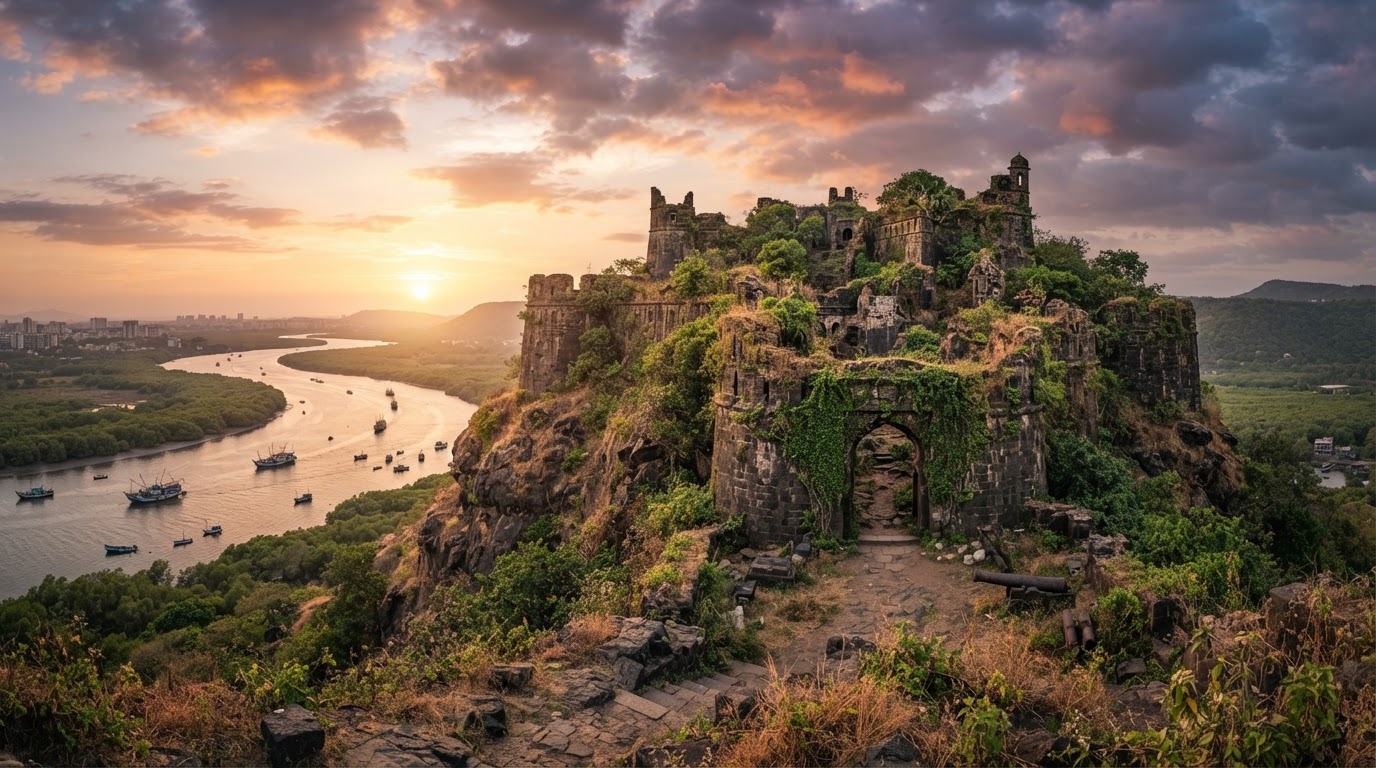
Ghodbunder Fort Near Mira Road: History and Visitor Guide
Explore Ghodbunder Fort's history and learn how to plan a responsible visit to this heritage landmark in the wider Thane region.
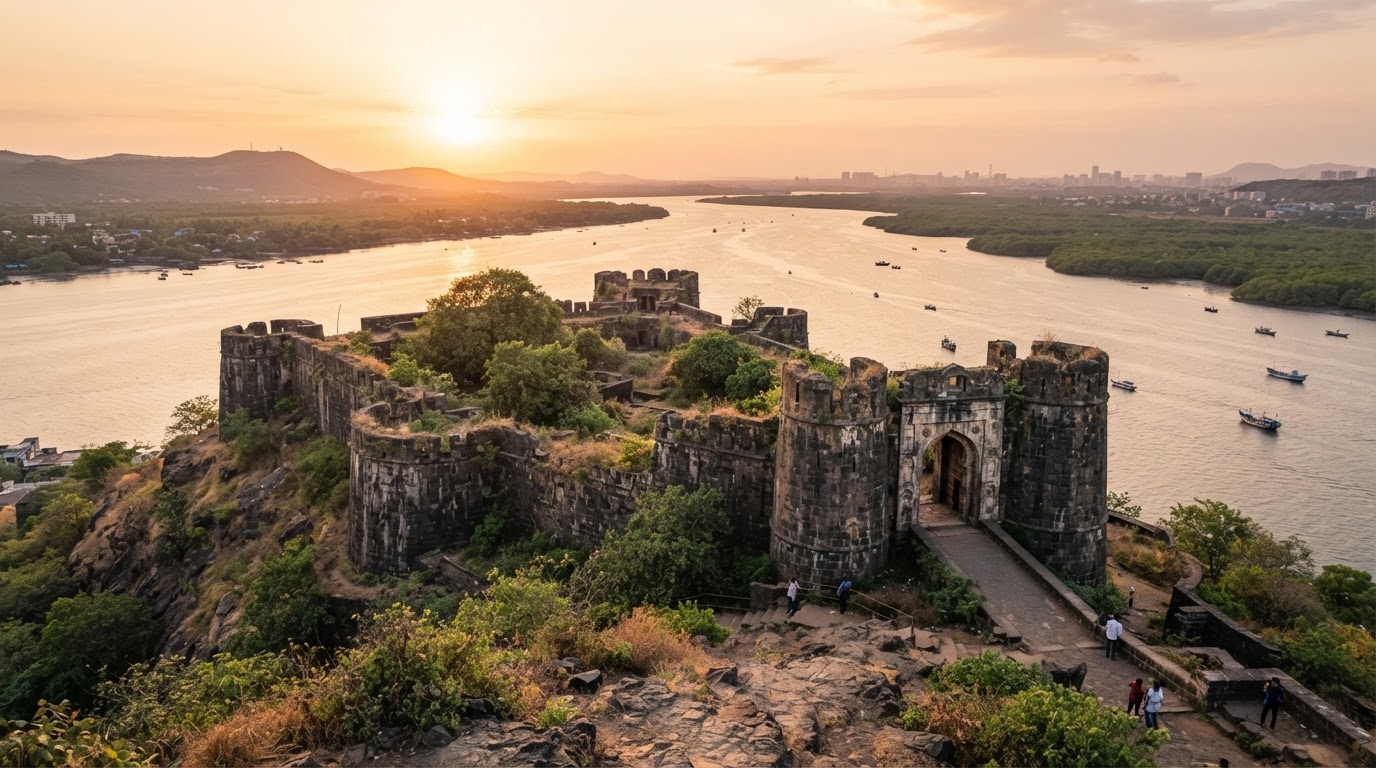
A visit to a historic fort offers a different kind of outing from a shopping centre or neighbourhood park. Ghodbunder Fort, in the wider Thane region, is a heritage landmark connected to the area's colonial-era history. For residents of Mira Road and Mira Bhayandar, it is a destination to research when planning a history-focused excursion.
A brief history of Ghodbunder Fort
Maharashtra Tourism describes Ghodbunder Fort as a Portuguese-built fort dating to the 16th century. It later became an important military location before being captured by the East India Company. The fort's position overlooking the Ulhas River made its location strategically significant.
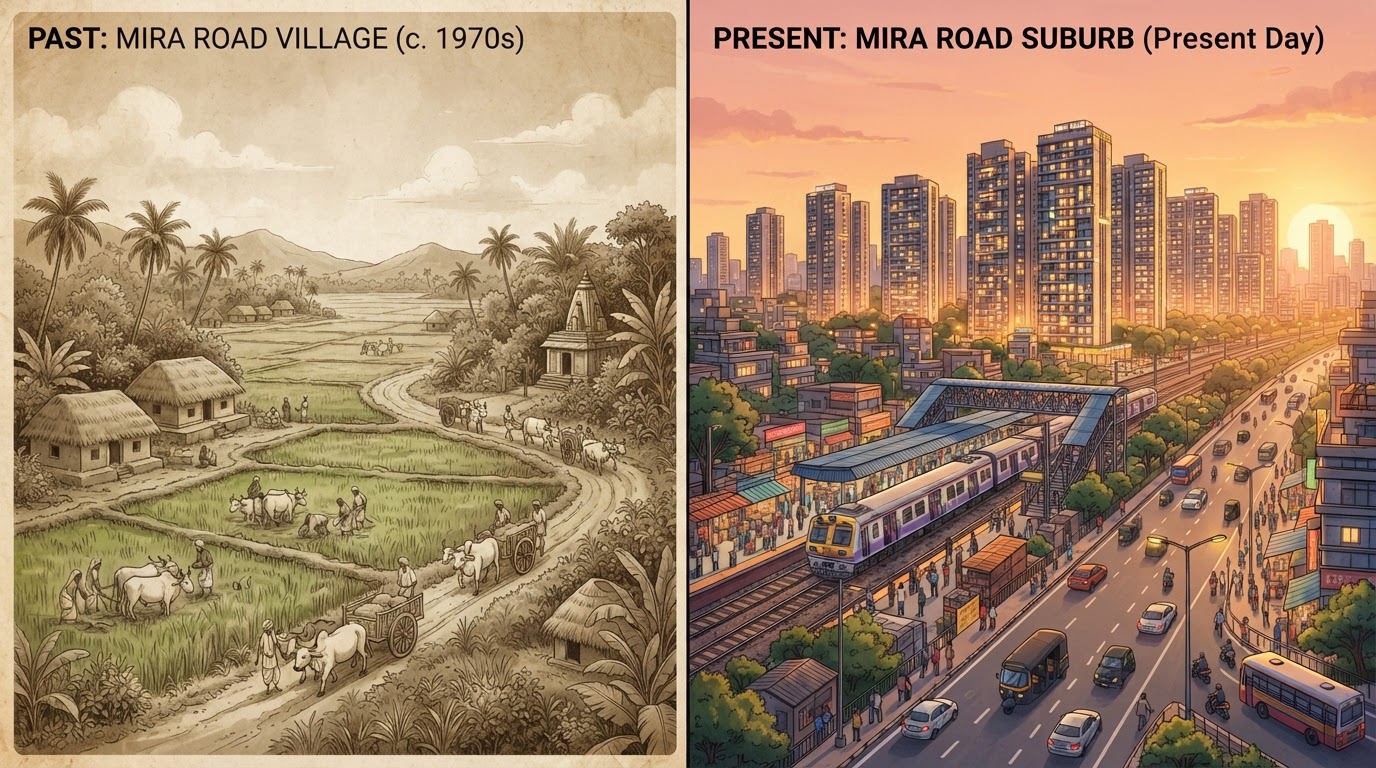
The wider region's history includes changes in political control, trade and military activity. The fort should be understood within that regional context rather than treated as a direct account of Mira Road's own settlement history.
What makes the fort interesting?
Historic forts can help visitors understand how geography influenced defensive structures and regional movement. At Ghodbunder Fort, the surviving structures and ruins offer a visible connection to the area's past. Visitors interested in architecture and history may also find it useful to compare the site with historical descriptions and maps.
Do not assume that every part of a historic structure is accessible or safe to explore.
Planning your visit
Before leaving, check the route, current access arrangements and any restrictions announced by the relevant authorities. Wear footwear suitable for uneven surfaces and avoid climbing damaged walls or entering restricted areas. If conditions are wet, be particularly careful on stone steps and sloping ground.
Bring drinking water and plan your visit around the weather. Do not assume that refreshments, toilets or visitor facilities are available on-site.
Photography and heritage preservation
Photographs can help document a visit, but visitors should respect any restrictions on photography and access. Avoid removing stones, damaging structures or leaving rubbish behind. A historic site can remain valuable even when parts of it are in ruins. Responsible visiting helps preserve the place for future visitors.
Is it suitable for children?
A heritage visit can be an educational outing, but suitability depends on the condition of the site and the supervision available. Check current access information, keep children away from unstable structures and avoid areas where the ground or walls may be unsafe.
Conclusion
Ghodbunder Fort offers a historical perspective on the wider region surrounding Mira Bhayandar. With a little preparation, visitors can make the outing more informative while respecting the condition of the heritage site. MiraRoad.blog should check current access information and avoid publishing unverified opening hours or entry fees.
Verified & Curated
Researched from official, named sources
Maharashtra Tourism, and MBMC tourism portal.
Enjoying this story?
Get the best of Mira Road — local news, food finds and weekend plans — straight to your inbox.
Team Mira Road Blog
The editorial team behind MiraRoad.blog — covering local news, food, events and everything Mira Road & Mira Bhayandar, one story at a time.
Frequently asked questions
It is in the wider Thane region and is relevant to a regional heritage itinerary, but it is distinct from Mira Road itself.
Maharashtra Tourism identifies the Portuguese as its builders during the 16th century.
Do not climb damaged or restricted structures. Follow current site instructions.
Made for Mira Road. Built for the community.
Your neighbourhood, one story at a time.
Connected stories
Guides that build on what you just read.