Mira-Bhayandar Cleanliness Ranking Drops: What Happened After Last Year's Top Position?
Mira-Bhayandar reportedly fell outside the top three in the latest Swachh Survekshan results after ranking first last year. What changed and what residents should know.
Mira-Bhayandar has built a reputation around its cleanliness performance in the national Swachh Survekshan competition. But a recent report says the city failed to secure a position among the top three in the latest competition after reportedly ranking first nationally last year. The development has raised questions about whether the city's cleanliness systems are maintaining the standards that helped it achieve a leading position previously.
What is Swachh Survekshan?
Swachh Survekshan is a national cleanliness assessment conducted under the urban sanitation programme. The assessment examines a range of urban cleanliness and waste-management practices, including sanitation systems, waste collection, processing and other indicators. The survey is intended to encourage cities to improve their performance and make cleanliness a priority.
What has reportedly happened to Mira-Bhayandar's ranking?
Loksatta reported on November 12, 2026, that Mira-Bhayandar had fallen outside the top three in the latest cleanliness competition after securing the top position last year. The precise category, final score and comparative ranking should be confirmed against the official result tables before publishing a numerical ranking. The change nevertheless creates an opportunity to investigate what may have contributed to the city's performance.
What residents experience matters too
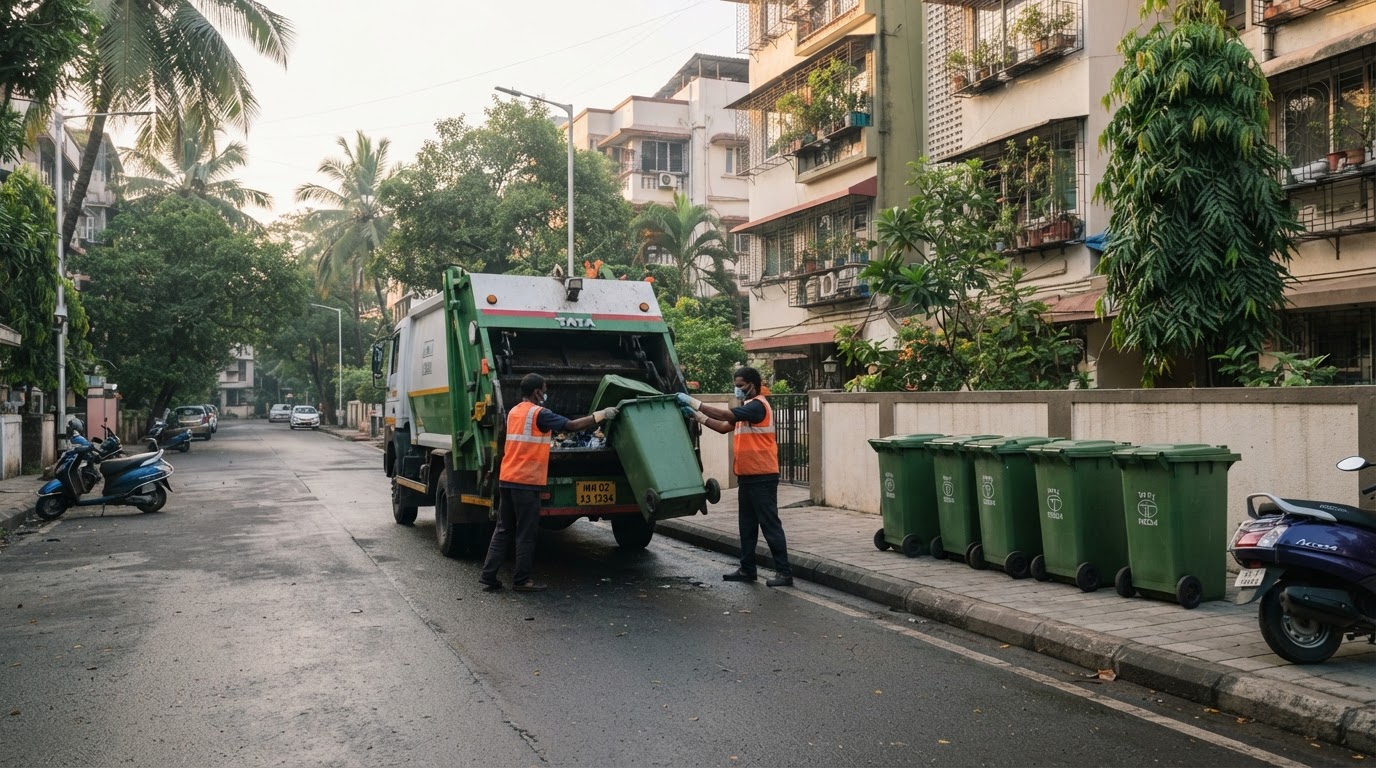
A ranking is one measurement. Everyday cleanliness is another. Residents judge cleanliness through the streets they use, the garbage collection they experience, public toilets, drainage, open spaces and how quickly complaints are addressed.
A city can perform well in a national assessment while still having neighbourhood-level problems. Likewise, a change in national ranking does not mean every locality has become dirtier. The most useful reporting would examine specific issues and compare them with the city's official cleanliness measures.
What should MBMC review?
The municipal corporation could examine:
- Waste collection frequency.
- Garbage segregation.
- Waste-processing performance.
- Public toilet maintenance.
- Street sweeping.
- Illegal dumping.
- Open-space maintenance.
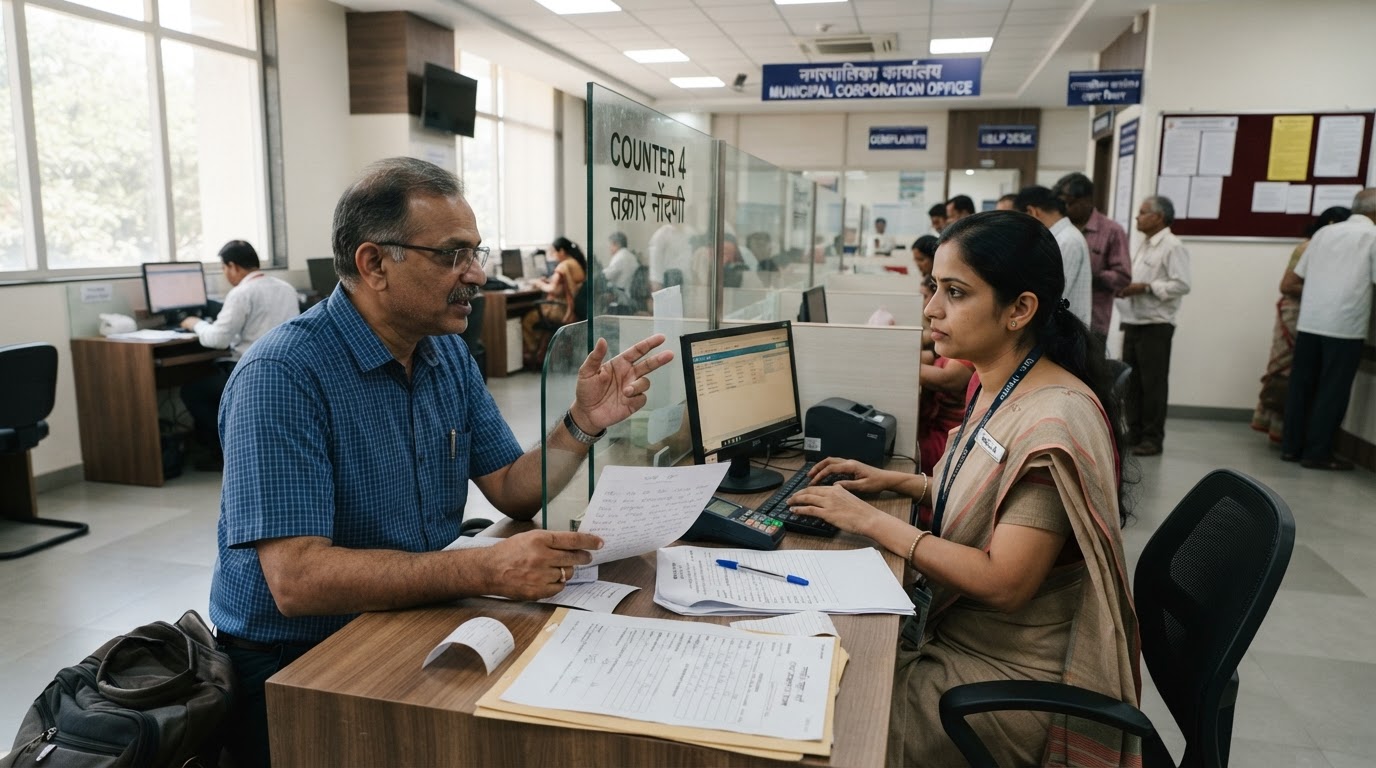
- Citizen complaint response.
- Ward-level performance.
The city should publish measurable improvements and explain where it is falling short.
What residents can do
Residents can report recurring garbage issues with the precise location and date. Housing societies should follow the applicable waste segregation arrangements and avoid dumping waste in public spaces. Local groups can help document recurring problems, but individual photographs should be used responsibly and should not be presented as proof of citywide conditions.
Conclusion
A decline in a cleanliness ranking should be treated as an opportunity to improve, not simply a political argument. Residents deserve a clear explanation of the city's performance, measurable targets and visible improvements in the streets and neighbourhoods they use every day.
Verified & Curated
Researched from official, named sources
Loksatta — Mira-Bhayandar municipal news; Government Swachh Survekshan results.
Enjoying this story?
Get the best of Mira Road — local news, food finds and weekend plans — straight to your inbox.
Team Mira Road Blog
The editorial team behind MiraRoad.blog — covering local news, food, events and everything Mira Road & Mira Bhayandar, one story at a time.
Frequently asked questions
Local reporting says the city held the top position last year.
Loksatta reported that it did. The exact category and final score should be verified from the official result.
No. A ranking reflects an assessment; neighbourhood conditions can differ.
Made for Mira Road. Built for the community.
Your neighbourhood, one story at a time.
Connected stories
Guides that build on what you just read.