Mira Bhayandar Underground Drainage Project: Delays and ₹500 Crore Phase Two
Explore the reported 18-year delay in Mira Bhayandar's underground sewerage project, the first phase's progress and the proposed ₹500 crore second phase.
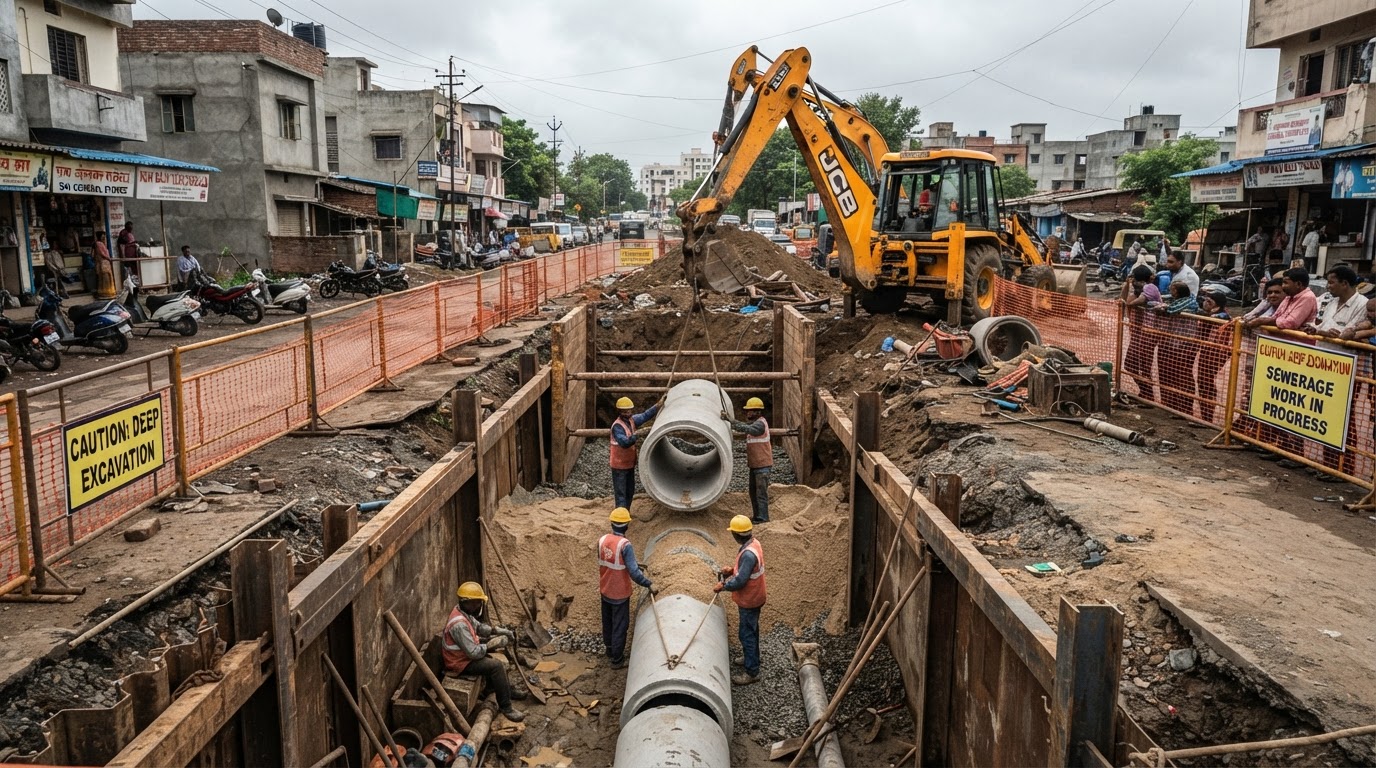
A reliable sewerage network is essential for a growing city. It helps collect wastewater, supports treatment and reduces the risk of untreated sewage entering the environment.
A report published by Loksatta on October 16, 2026, raised questions about the progress of Mira Bhayandar's underground sewerage scheme, saying the first phase remained incomplete after approximately 18 years.
What has been reported?
According to Loksatta, the first phase was initiated in 2009 and had involved expenditure of approximately ₹800 crore. The report said only around 10% of housing societies had been connected to the scheme.
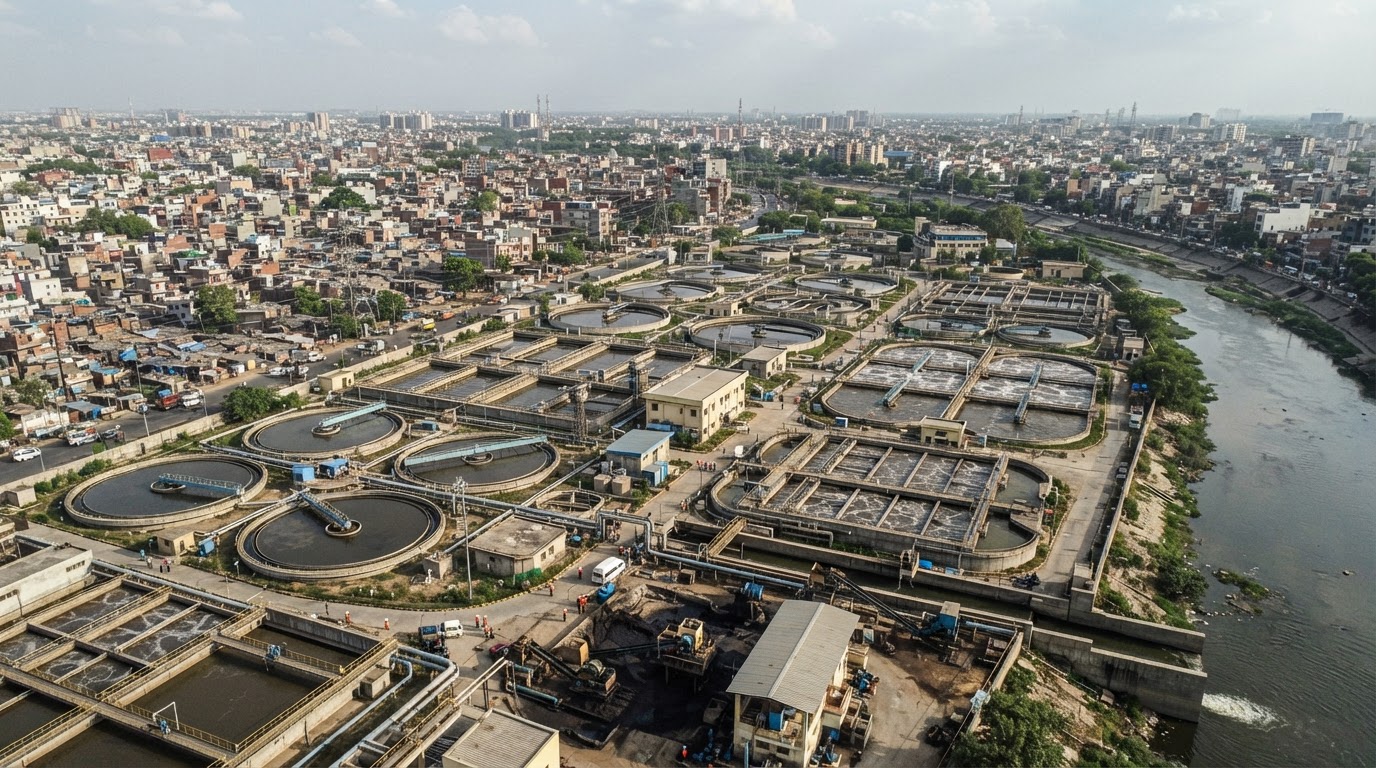
It also raised questions about treatment facilities that were reportedly not operating while maintenance expenditure continued.
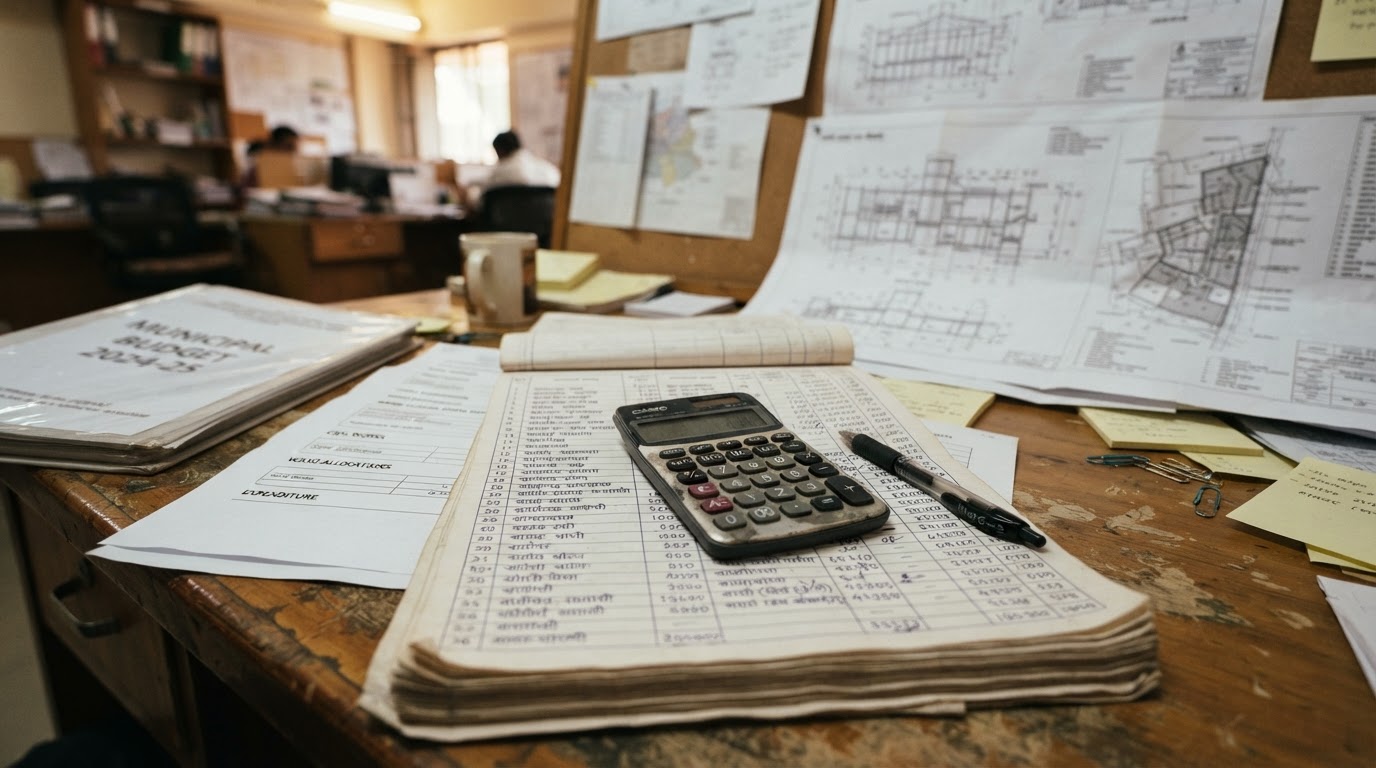
These are reported figures and claims. A full assessment requires the project's original approvals, expenditure records, completion certificates and current operating data.
Why does the delay matter?
If properties remain unconnected to the intended sewerage system, residents may not receive the expected benefit despite the infrastructure expenditure.
The issue is particularly important where households are paying municipal sewerage-related charges. Residents need to understand what service those charges support and when the promised infrastructure will become available. However, the exact implications depend on the property, the existing drainage arrangements and the applicable municipal billing rules.
What is proposed for Phase Two?
The same Loksatta report said a detailed project report worth approximately ₹476 crore had been submitted for the second phase, with the wider proposal described as costing around ₹500 crore.
The proposed coverage includes Uttan, Rai, Murdha, Morva, Chena and Kajupada. The project is intended to expand sewerage infrastructure in those areas.
The report discussed the proposal's consideration by the municipal general body. Residents should check the relevant resolution and current tender records to establish the latest approval and implementation status.
What should MBMC publish?
A useful public progress report would show the percentage of work completed, the number of properties connected, the operating status of treatment plants and the expenditure to date. It should also explain the causes of delay and provide realistic timelines for outstanding work.
For Phase Two, residents need clarity on funding, construction schedules, the impact on roads and the measures planned to prevent disruption.
Frequently asked questions
The report identifies 2009 as the start of the scheme.
Approximately ₹800 crore, according to Loksatta.
No completion is established by the cited report; it describes a proposal for the next phase.
Conclusion
The underground drainage scheme deserves a transparent, evidence-based progress review. Residents need to know what has been delivered, what remains incomplete and how further expenditure will translate into better sanitation.
Verified & Curated
Researched from official, named sources
Loksatta — underground sewerage scheme delay, October 16, 2026.
Enjoying this story?
Get the best of Mira Road — local news, food finds and weekend plans — straight to your inbox.
Team Mira Road Blog
The editorial team behind MiraRoad.blog — covering local news, food, events and everything Mira Road & Mira Bhayandar, one story at a time.
Frequently asked questions
The report identifies 2009 as the start of the scheme.
Approximately ₹800 crore, according to Loksatta.
No completion is established by the cited report; it describes a proposal for the next phase.
Made for Mira Road. Built for the community.
Your neighbourhood, one story at a time.
Connected stories
Guides that build on what you just read.