Mira Road Monsoon Safety: Waterlogging, Flooding & Emergency Contacts
Prepare for heavy rain in Mira Road and Mira Bhayandar with practical advice on waterlogging, electrical hazards, travel and emergency reporting.
Heavy rainfall can disrupt daily routines, travel, electricity and access to essential services. For residents of Mira Road and Mira Bhayandar, preparing before severe weather arrives is more useful than trying to solve every problem after water has accumulated. This guide covers practical precautions, reporting procedures and official sources residents can check during the rainy season.
Why monsoon preparation matters
The MBMC Disaster Management Department identifies excessive rainfall, flooding, waterlogging, falling trees, lightning, electric shock and road accidents among the potential hazards relevant to its area. The department's official page also explains its role in coordinating responses to natural and human-caused emergencies.
These risks do not mean that every street will flood during every heavy rainfall event. Local conditions can vary significantly from one road, building and neighbourhood to another. Official source: mbmc.gov.in/en/mbmc/disaster-management
Before heavy rainfall
Residents can take several steps to prepare:
- Check official weather warnings and municipal announcements.
- Charge phones and keep a power bank ready.
- Store essential medicines and drinking water.
- Keep emergency contacts accessible.
- Secure loose items on balconies and terraces.
- Ask building management to inspect drainage arrangements safely.
- Identify a safe route away from low-lying or repeatedly waterlogged locations.
- Keep important documents in a waterproof container.
Residents should never enter a drain, manhole or other confined space to remove a blockage themselves. Any inspection involving electricity, confined spaces or dangerous structures should be undertaken by appropriately qualified personnel.
What to do when waterlogging begins
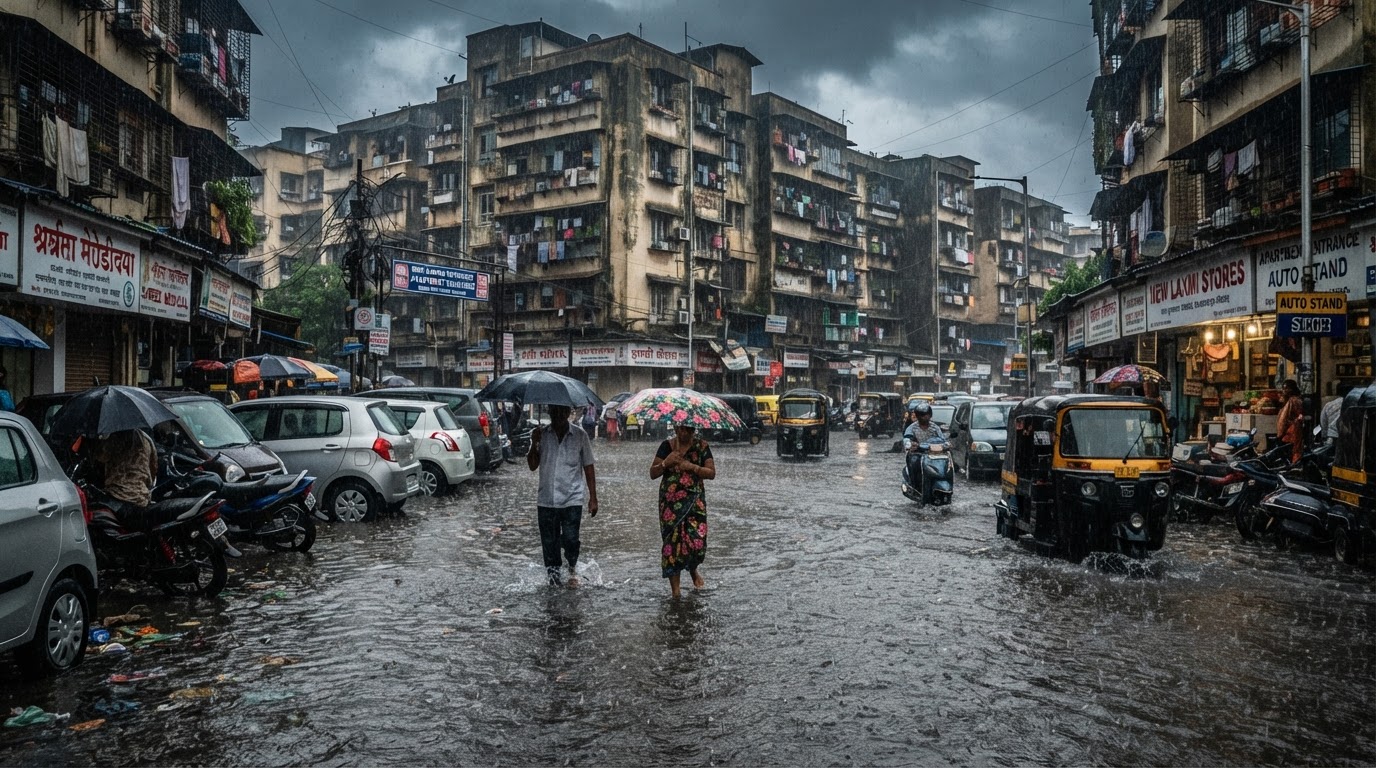
If water starts collecting on a road, avoid assuming that the visible depth is safe. Floodwater can hide potholes, open drains, broken covers, electrical hazards and other obstructions. Even moving water can be dangerous. Never drive into floodwater — turn back and find an alternative route.
If a route appears unsafe, stop and choose a safer alternative. Do not ride or drive into floodwater merely because another vehicle has passed through.
If water enters a building, move away from electrical equipment and seek professional help before touching potentially wet electrical installations.
Report waterlogging accurately
When reporting a waterlogging problem, provide:
- The road or locality name.
- A nearby landmark.
- The time you observed the condition.
- Whether the water is rising, receding or remaining stagnant.
- Whether access to homes or essential services is affected.
- Photographs taken from a safe position, if available.
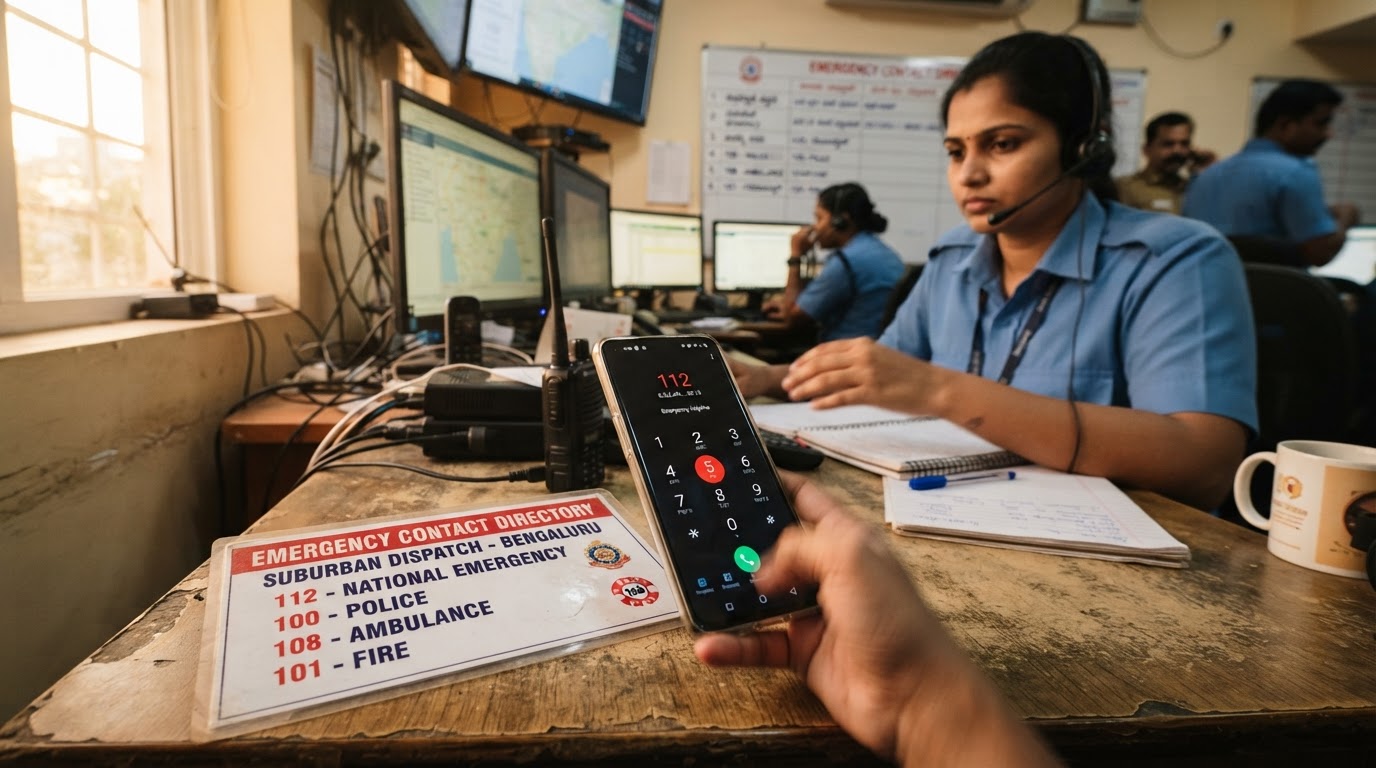
Use the current official MBMC Disaster Management Department contact details for serious local hazards. The department publishes control room numbers 022-28197637, 022-28117102 and 022-28117104. Its listed mobile contacts include 8657949715, 8657047402 and 8291370138. Verify these numbers before publication and do not assume that every line will be answered immediately. For immediate threats to life, call 112.
Falling trees and damaged structures
Heavy rain and strong winds can create hazards from branches, trees, damaged hoardings or weakened structures. Keep your distance from a fallen tree if electrical wires may be involved. Do not attempt to move a branch that is touching a power line.
If a building shows signs of serious structural distress, such as sudden movement, major new cracks or falling material, move away from the danger area and alert the appropriate emergency authority. Do not enter a building that appears unsafe to retrieve belongings.
Electrical safety during the monsoon
Water and electricity can create a life-threatening combination. Avoid touching fallen wires, wet electrical panels or electrical appliances that have been exposed to water. Keep children away from flooded electrical installations. If a hazard is present, report it to the appropriate electricity provider or emergency service.
Do not assume that a wire is safe because it appears inactive. Report any suspected electrical hazard to the appropriate electricity provider or emergency service immediately.
Travelling during heavy rain
Before leaving home, check official railway information, weather warnings and traffic updates. Allow additional time for the journey and avoid routes known to be impassable under current conditions.
If railway travel is disrupted, consult official railway channels rather than relying entirely on old screenshots or forwarded messages. The RailMadad platform provides railway assistance through 139 and an online grievance system at railmadad.indianrailways.gov.in.
For a journey involving multiple modes of transport, check each relevant service separately.
How housing societies can prepare
Society management can establish a monsoon checklist covering drainage, pumps, backup lighting, emergency access and communication with residents. Residents should know how to contact building management and where to find official emergency information.
Any inspection involving electricity, confined spaces or dangerous structures should be undertaken by appropriately qualified personnel. Do not attempt dangerous repairs yourself during severe weather.
Conclusion
Monsoon safety requires preparation, accurate information and caution around water, electricity and damaged infrastructure. Residents can reduce avoidable risks by checking official warnings, avoiding dangerous routes and reporting hazards with precise location details.
MiraRoad.blog updates this article before each monsoon season and links to current official alerts rather than publishing fixed predictions about where flooding will occur. Sources: MBMC Disaster Management, India Meteorological Department and RailMadad.
Enjoying this story?
Get the best of Mira Road — local news, food finds and weekend plans — straight to your inbox.
Team Mira Road Blog
The editorial team behind MiraRoad.blog — covering local news, food, events and everything Mira Road & Mira Bhayandar, one story at a time.
Frequently asked questions
Consult the official MBMC Disaster Management Department directory and use emergency services when there is an immediate threat to life. The department publishes control room numbers 022-28197637, 022-28117102 and 022-28117104, plus mobile contacts 8657949715, 8657047402 and 8291370138. Verify these before relying on them.
Avoid doing so if the depth, road surface or electrical safety is uncertain. Floodwater can conceal potholes, open drains, broken covers and electrical hazards. Even moving water can be dangerous. If a route appears unsafe, stop and choose a safer alternative.
Use official India Meteorological Department weather information and alerts. Do not present an old forecast as a current warning. Check official weather warnings and municipal announcements before and during heavy rainfall.
Move away from electrical equipment and seek professional help before touching potentially wet electrical installations. Keep children away from flooded electrical installations and report any electrical hazard to the appropriate electricity provider or emergency service.
Provide the road or locality name, a nearby landmark, the time you observed the condition, whether the water is rising or receding, whether access to homes or essential services is affected, and photographs taken from a safe position if available.
Made for Mira Road. Built for the community.
Your neighbourhood, one story at a time.