History of Mira Road Railway Station and Suburban Development
Discover how Mira Road railway station fits into the area's development, commuter life and changing urban landscape.
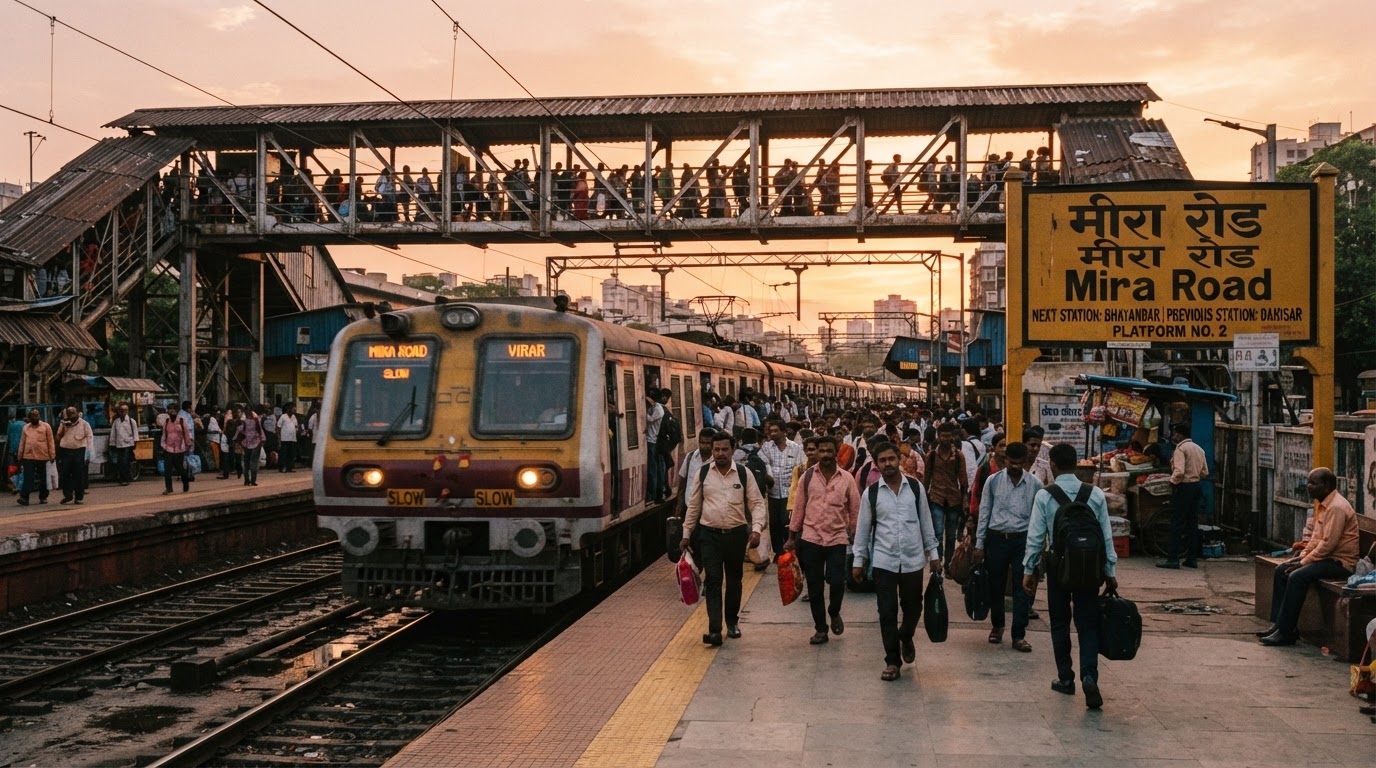
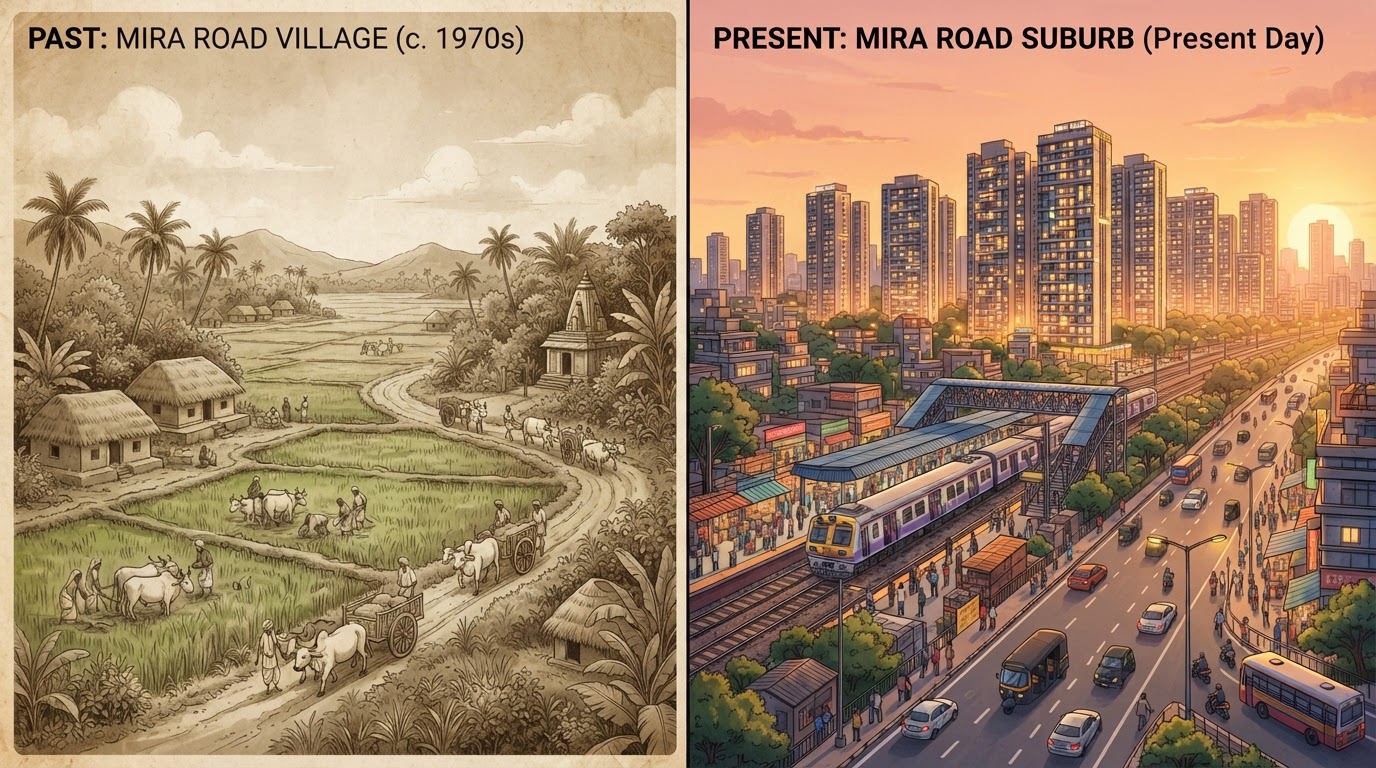
For many residents, Mira Road railway station is part of everyday life. It is a point of departure for work, education, shopping and journeys across Mumbai's wider suburban network. But the station is also an important part of the story of Mira Road's urban development. Transport infrastructure shapes how people access jobs and services, and it can influence where households and businesses choose to locate. Understanding this relationship helps explain why the station remains such a significant part of the area's identity.
Mira Road and the Mumbai suburban railway network
Mira Road station is part of the Western Railway suburban corridor serving the Mumbai region. A technical report prepared for the Mumbai Railway Vikas Corporation's station-improvement programme identifies Mira Road as the 23rd station on the Western Line when counted from Churchgate. The report describes it as a slow-train station with four platforms.
These are useful details about the station's documented configuration at the time of the report. They should not be treated as a complete history of when the station opened or as a guarantee that its current layout remains unchanged.
Why railway access matters to a growing suburb
Railway access can connect a residential area with employment centres, educational institutions, hospitals and commercial districts across a metropolitan region. For people living in Mira Road, suburban rail travel can be part of a daily commute that would otherwise involve longer road journeys. This accessibility is one of the factors that makes the area relevant to Mumbai's wider residential geography.
Transport should not be treated as the only explanation for population growth. Housing availability, land development, household budgets, public services and wider economic conditions also affect where people live.
How a railway station shapes nearby neighbourhoods
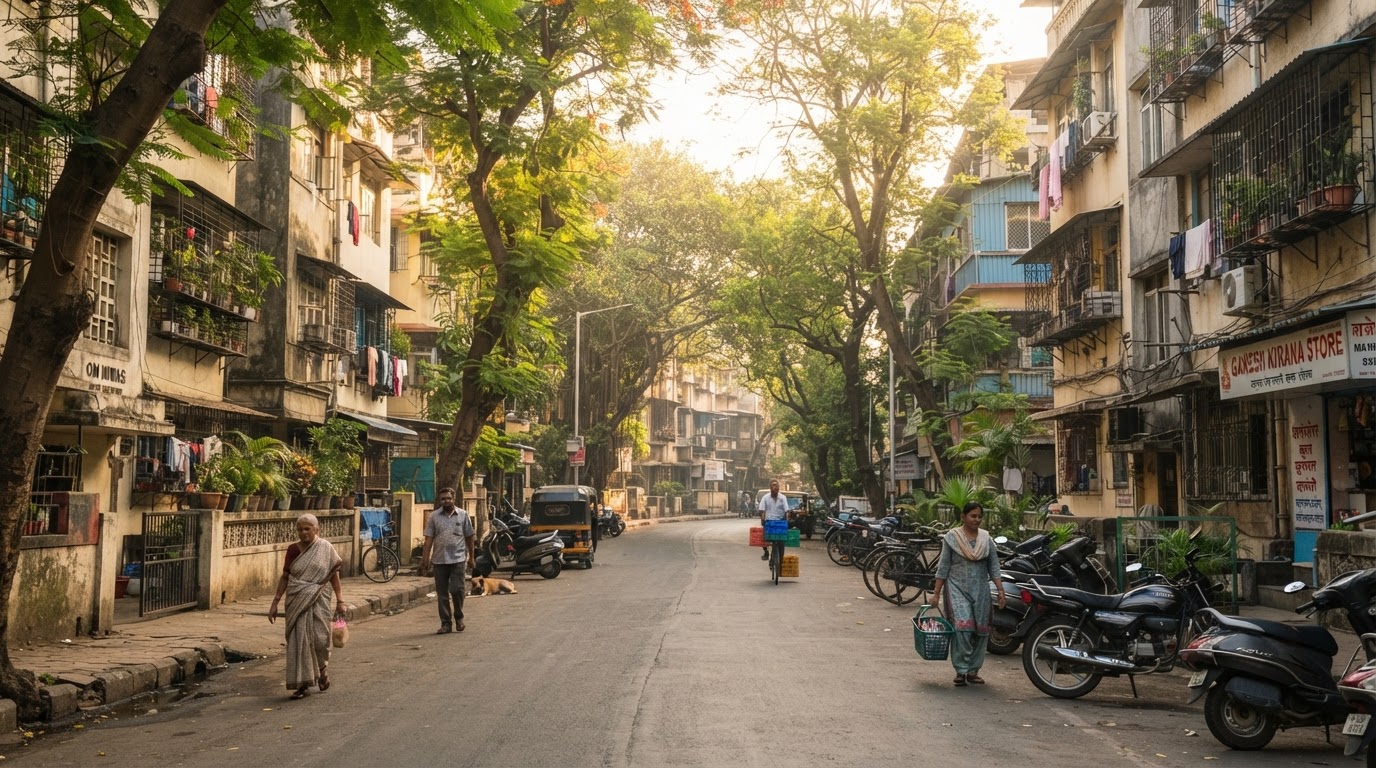
Stations often become centres of local activity. Shops, food businesses, service providers and other commercial activities may develop around passenger movement. Roads and pedestrian routes leading to the station become important parts of daily life. The MRVC technical report describes the Mira Road station area as having commercial activity, including restaurants and eateries. It also documents the station's access arrangements and pedestrian connections at the time of the assessment.
Such infrastructure can help explain why the station area functions as more than a transport interchange. It is also part of the local commercial landscape.
Understanding the station's layout
The MRVC report describes four platforms and notes that the station's access arrangements were concentrated on the eastern side at the time of its assessment. The report also discusses foot overbridges and a connected skywalk system. These details are relevant when documenting the station's physical development, but station infrastructure can change through improvement works.
Readers should consult current railway information before relying on older access or platform details for a journey. Historical infrastructure documents are valuable because they preserve a record of what existed at a particular time.
Railway improvements and the future
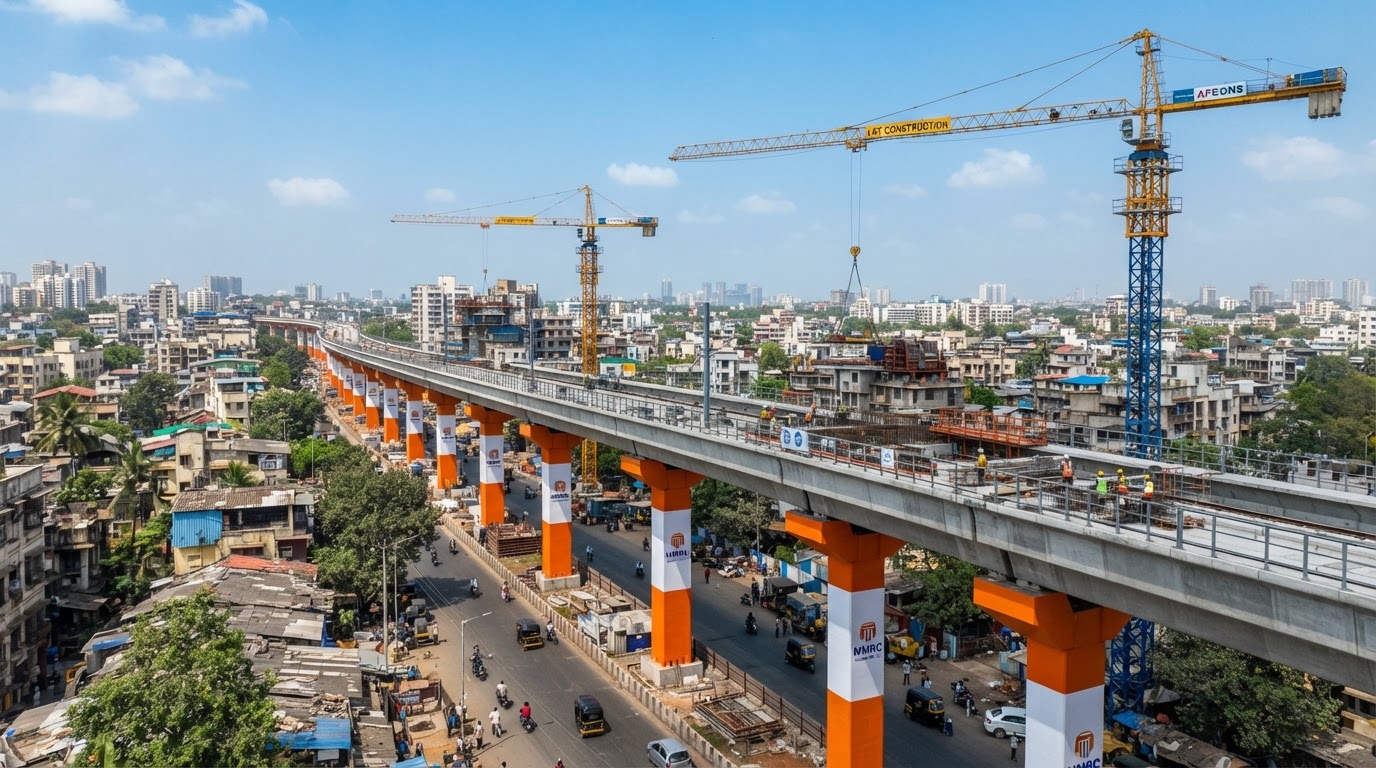
Railway infrastructure requires ongoing maintenance, capacity planning and improvements as passenger demand changes. The Mumbai Railway Vikas Corporation publishes technical documents concerning suburban railway improvements, including station works. The Government of India's public information releases also describe broader Mumbai suburban rail capacity projects.
For example, the Press Information Bureau has published information about suburban railway investment programmes, including works intended to increase network capacity. These programmes cover different corridors and should not be interpreted as proof that every project directly changes Mira Road station.
How to research the station's opening date
The sources used for this article establish the station's position and configuration within the suburban network, but they do not establish a verified opening date. A more detailed historical timeline would require railway records, historical timetables, official station documents and archival maps.
Until such a record is located, it is better to leave the opening date unspecified than to repeat a date from an unverified website.
Conclusion
Mira Road railway station is an important part of the area's relationship with the wider Mumbai Metropolitan Region. Its role extends beyond carrying passengers. Railway access, pedestrian connections and nearby commercial activity all form part of the urban environment residents use every day. A fuller history of the station should combine railway archives with older maps, dated photographs and interviews with long-term commuters. That would allow MiraRoad.blog to document not just the station's present-day function, but how its role has changed over time.
Verified & Curated
Researched from official, named sources
Mumbai Railway Vikas Corporation (station-improvement assessment) and the Press Information Bureau.
Enjoying this story?
Get the best of Mira Road — local news, food finds and weekend plans — straight to your inbox.
Team Mira Road Blog
The editorial team behind MiraRoad.blog — covering local news, food, events and everything Mira Road & Mira Bhayandar, one story at a time.
Frequently asked questions
Mira Road station is on the Western Railway suburban corridor.
A Mumbai Railway Vikas Corporation assessment describes four platforms at the time of its report. Current station arrangements should be confirmed through railway sources.
Transport accessibility is an important factor in suburban development, but the precise contribution of the station would require historical population, housing and transport data.
Made for Mira Road. Built for the community.
Your neighbourhood, one story at a time.
Connected stories
Guides that build on what you just read.