How to Report Potholes in Mira Road and Mira Bhayandar
Learn how to document road damage, report potholes and track civic complaints in Mira Road and Bhayandar.
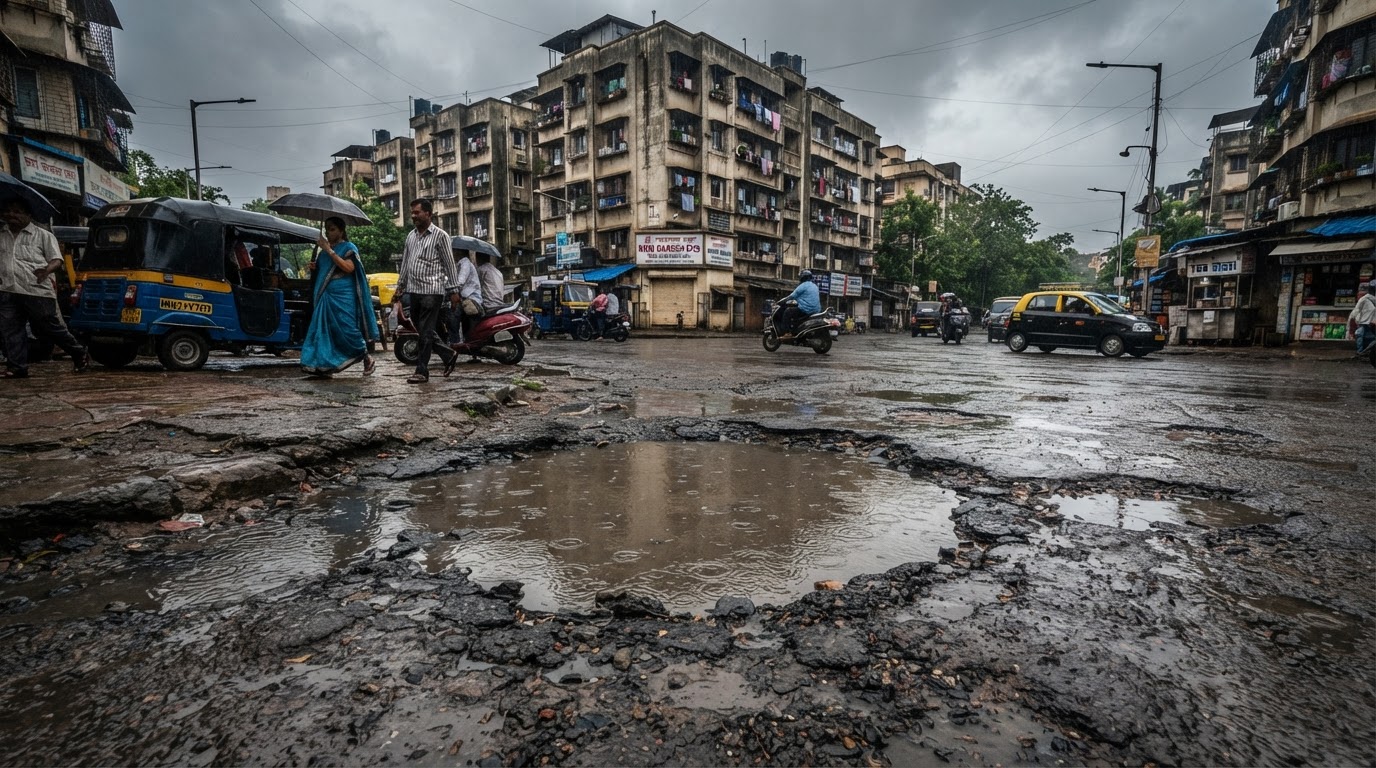
Potholes, broken footpaths and damaged road surfaces can affect pedestrians, cyclists, motorists and public transport. A small defect may become more difficult to navigate when it is hidden by rainwater or poor visibility. Residents who encounter damaged roads in Mira Road and Mira Bhayandar can help authorities investigate by reporting the precise location and nature of the hazard.
Identify the problem clearly
Road-related complaints may involve:
- Potholes.
- Broken or uneven road surfaces.
- Damaged footpaths.
- Exposed utility covers.
- Road subsidence.
- Construction debris.
- Poorly restored road surfaces after utility work.
- Drainage problems contributing to road damage.
- Unsafe obstructions affecting pedestrian access.
Different problems may fall under different authorities, depending on road ownership and the nature of the work. Do not assume that MBMC is responsible for every road within the wider Mira-Bhayandar area. Confirm which authority maintains the specific road before directing a complaint.
How to document a pothole
Start by recording the street name, nearest landmark and direction of travel. A useful report explains whether the defect is near a junction, in a traffic lane, on a footpath or near a building entrance.
If safe, take a photograph from a position away from moving traffic. A wider image can help identify the location, while a closer image may show the defect.
Do not stand in the road, stop in an unsafe lane or ask someone to enter traffic to take a picture. Record the date and whether the defect is causing water to collect, forcing pedestrians into the road or obstructing access. Avoid guessing the exact depth or dimensions unless you have a reliable measurement.
Find the responsible authority
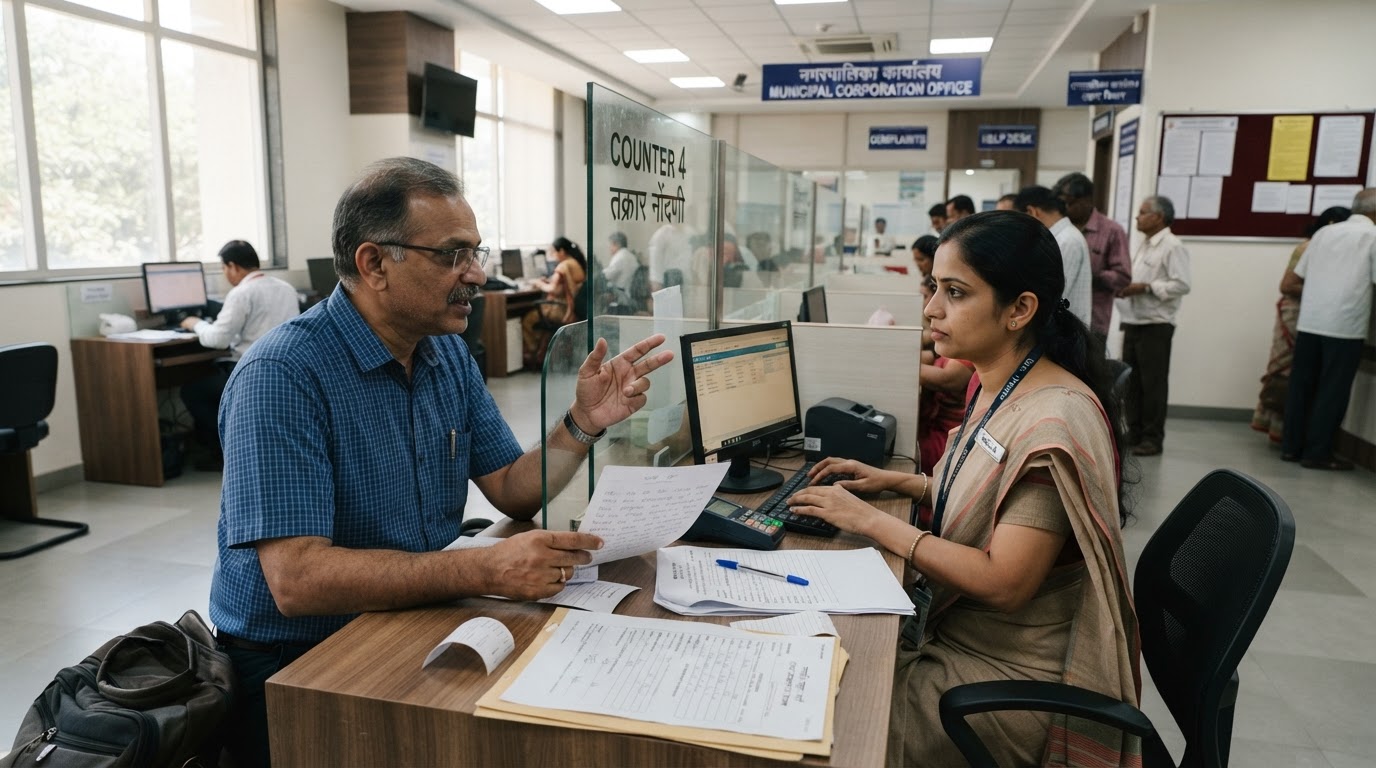
Start with the official MBMC website and contact directory. If the road appears to belong to another agency, ask the relevant municipal office which authority is responsible.
Useful starting points include:
- MBMC contact directory: mbmc.gov.in/en/mbmc/contact-number
- MBMC disaster management: mbmc.gov.in/en/mbmc/disaster-management
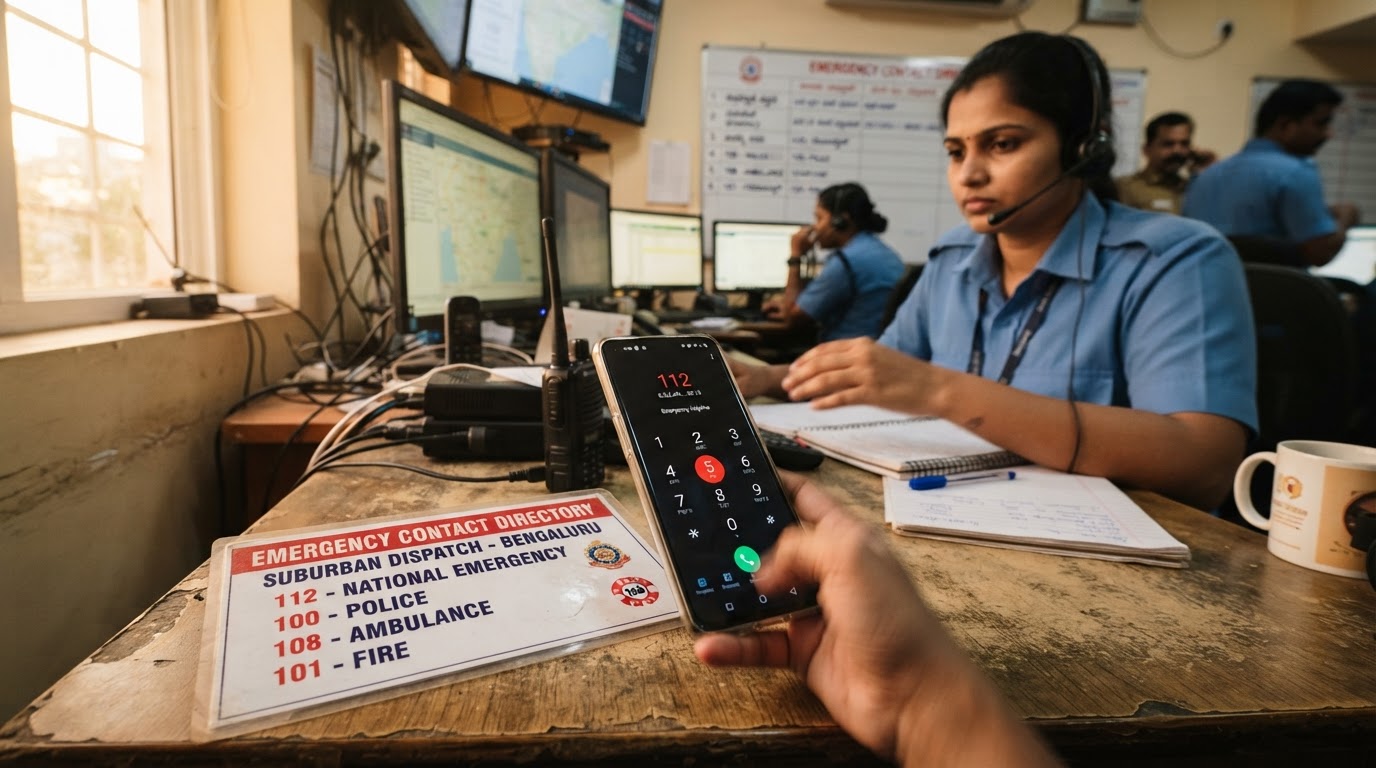
A damaged road that creates an immediate serious danger may require urgent assistance rather than an ordinary complaint. For an immediate threat to life or safety, call 112.
Example complaint message
Use this template to write a clear, factual complaint:
Subject: Road damage reported near [landmark], Mira Road. Dear Sir/Madam, I would like to report a pothole/damaged road surface near [exact location]. The defect was observed on [date] and is affecting [pedestrian access/vehicle movement/road safety]. Please arrange an inspection and take appropriate action if the location falls under your department's jurisdiction. Photographs are attached for reference. Kindly provide a complaint acknowledgement or reference number, if available. Regards, [Name or residents' association], [Contact details, if appropriate].
What happens after a complaint?
The authority may need to verify the location, determine responsibility, inspect the road and schedule the required work. There is no universal repair deadline that can safely be promised for every road defect. The time needed can depend on the severity of the problem, the responsible agency, available resources and whether utility work or other permissions are involved.
If no action is visible, follow up using the original complaint reference. Ask whether the location has been inspected and whether the complaint has been forwarded to another authority.
What should motorists and pedestrians do meanwhile?
Reduce speed where road damage is visible and maintain a safe distance from other vehicles. Avoid sudden swerving, especially in heavy traffic. If a footpath is damaged, use a safer accessible route where possible rather than walking into moving traffic.
During rain, be especially cautious because standing water can hide road defects. What looks like a shallow puddle may conceal a deep pothole or an open drain cover.
How resident groups can help
Housing societies and resident associations can collect clearly documented reports from several streets and submit them through appropriate official channels. Reports should identify each location separately rather than grouping many unrelated defects into one vague complaint.
Once a repair is completed, a follow-up photograph can help document the change. Do not claim that a complaint caused the repair unless that connection is known.
Conclusion
A precise, evidence-based complaint is more useful than a general claim that every road in an area is damaged. Identify the exact location, document the hazard safely and follow up through the correct authority.
MiraRoad.blog supports residents by collecting verified information and publishing updates that distinguish confirmed repairs from pending complaints. Sources: MBMC Contact Directory and MBMC Disaster Management.
Enjoying this story?
Get the best of Mira Road — local news, food finds and weekend plans — straight to your inbox.
Team Mira Road Blog
The editorial team behind MiraRoad.blog — covering local news, food, events and everything Mira Road & Mira Bhayandar, one story at a time.
Frequently asked questions
Start with the official MBMC contact directory at mbmc.gov.in/en/mbmc/contact-number and verify which authority is responsible for the specific road. Not every road in the Mira-Bhayandar area is maintained by MBMC, so confirm the road's ownership before directing your complaint.
Yes, provided it is safe to take and does not expose private information unnecessarily. However, an online post should not replace a formal report where an official complaint channel is available. Use both — post publicly and file an official complaint.
That depends on the responsible authority, inspection findings and the work schedule. There is no universal repair deadline that can safely be promised for every road defect. Do not rely on an unverified promised deadline. Follow up using your complaint reference number if no action is visible.
Include the street name, nearest landmark, direction of travel, whether the defect is near a junction or footpath, the date observed, whether it causes water to collect, and photographs taken from a safe position away from moving traffic.
No. Different roads may fall under different authorities depending on road ownership and the nature of the work. Confirm which authority maintains the specific road before directing a complaint. If unsure, ask the municipal office which authority is responsible.
Made for Mira Road. Built for the community.
Your neighbourhood, one story at a time.