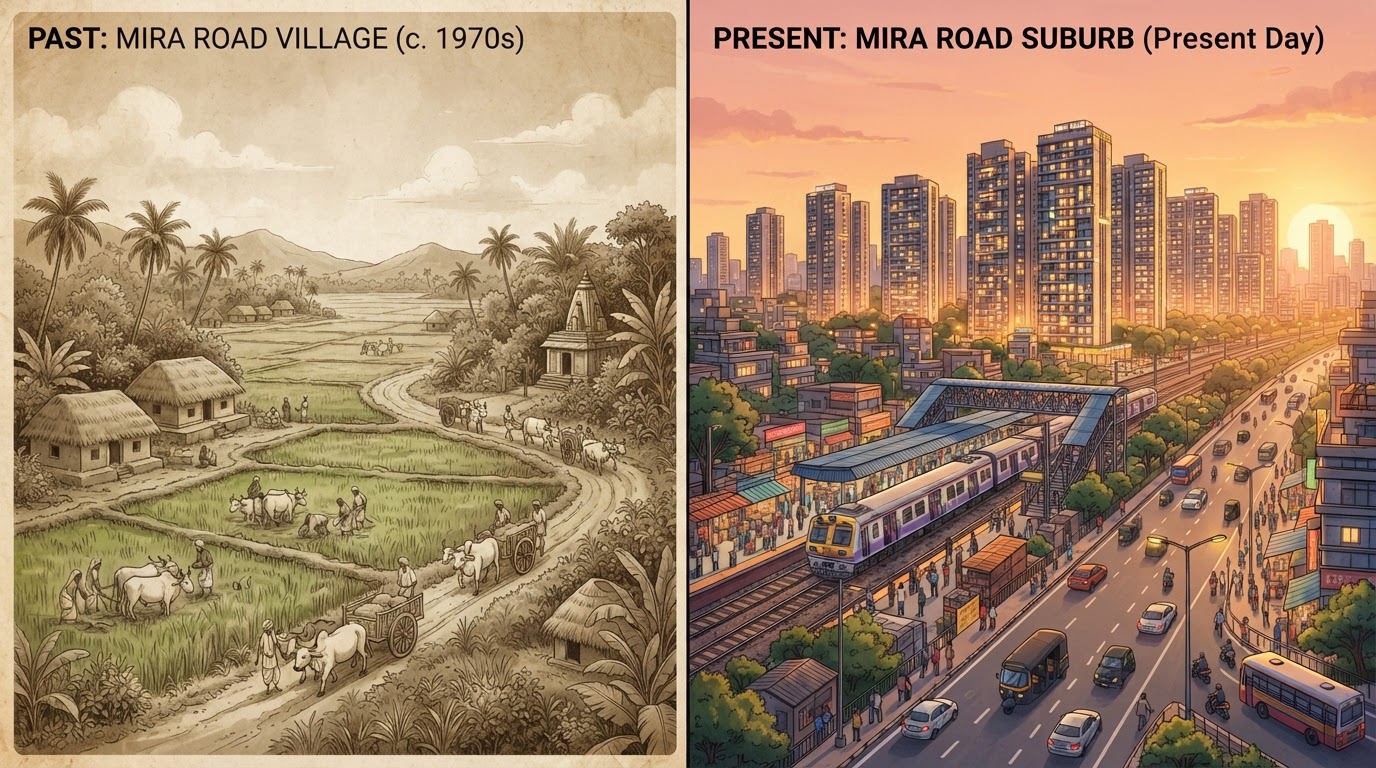
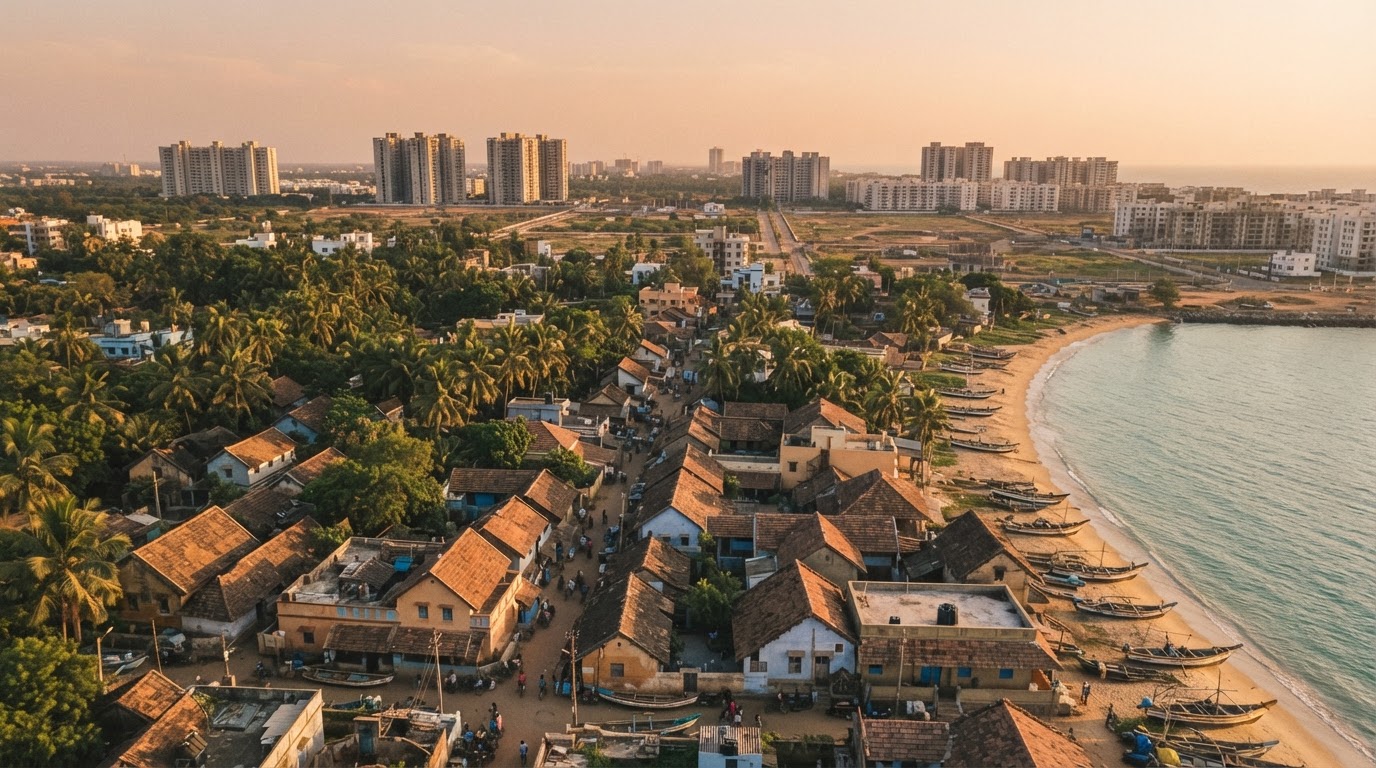
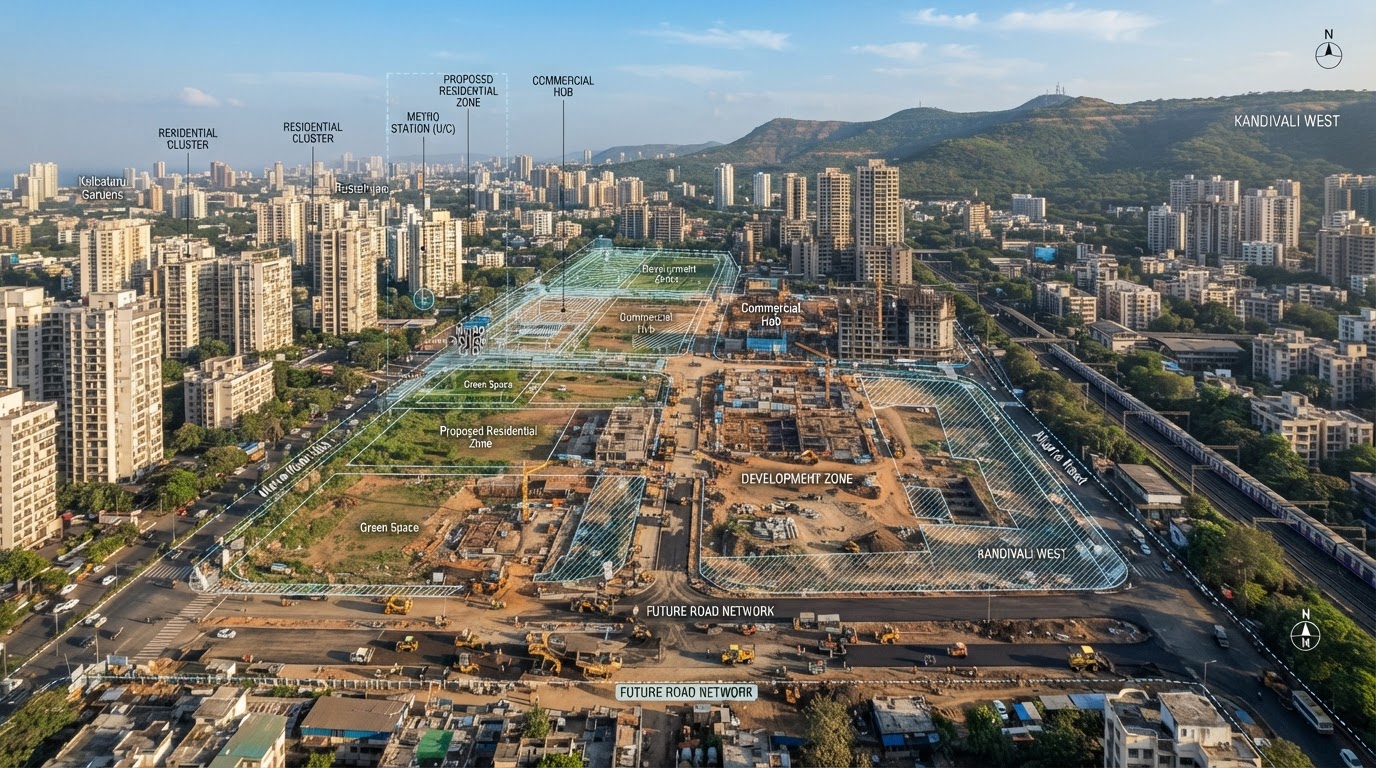
History of MBMC: How Mira Bhayandar Became a Municipal Corporation
Learn how Mira Bhayandar's municipal administration developed from village panchayats in 1985 to a municipal corporation in 2002.
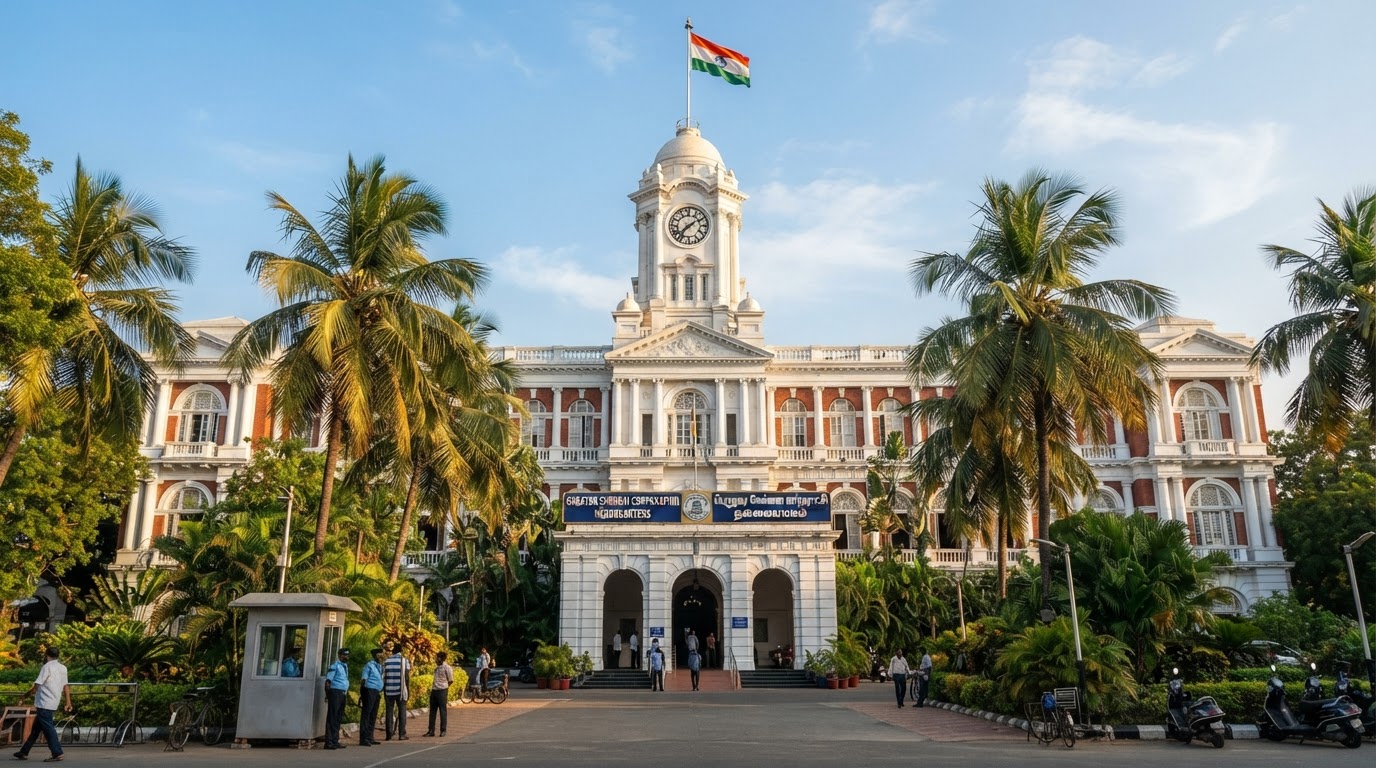
The Mira Bhayandar Municipal Corporation (MBMC) plays an important role in everyday life across Mira Road, Bhayandar and the wider municipal area. Its responsibilities relate to public services, urban development and the administration of a growing suburban region. But the corporation did not always exist in its present form. Its history reflects the changing needs of an area that developed from multiple village settlements into a more integrated urban community.
The beginning: 12 June 1985
According to MBMC's official history, the Mira Bhayandar Municipality was established on 12 June 1985 through the merger of five village panchayats: Bhayandar, Navghar, Mira, Kashi and Ghodbunder. This was an important administrative milestone. It created a municipal structure to coordinate civic responsibilities across several settlements. The region still had a rural character in parts, but its location near Mumbai made it increasingly connected to the wider metropolitan economy.
The establishment of the municipality on 12 June 1985 created a unified administrative structure for coordinating civic responsibilities across multiple village settlements.
The expansion of 1990
On 23 January 1990, four additional village panchayats — Rai-Murdhe, Dongri, Uttan and Versova — were included in the municipality, according to the official municipal account. The expansion brought more settlements into the municipal framework.
Administrative boundaries determine the area over which local institutions exercise their responsibilities. However, the inclusion of a village does not mean that all of its infrastructure or land uses immediately changed.
Planning for a growing area
Urban planning became increasingly important as the region developed. MBMC's Town Planning Department records that the development plan for the main municipal area was approved on 14 May 1997 and came into effect on 15 July 1997. The plan for excluded areas was approved on 25 August 2000 and came into effect on 15 October 2000.
These dates document the formal planning framework. They do not establish that all development began in those years or that every area changed at the same pace.
The municipal corporation milestone: 2002
The municipality was upgraded to a municipal corporation on 28 February 2002, according to MBMC's official history. The change reflected the growing scale of the urban area and the need for a larger administrative framework. Municipal corporations have responsibilities under applicable law for a range of civic and development functions, including public infrastructure, sanitation, planning and public health.
For residents, the significance of the corporation is practical: it provides an institutional point of reference for many local services and civic issues — road repairs, water supply, waste collection, building permissions and public health.
What MBMC does today
The corporation publishes departmental information for areas such as water supply, solid waste management, public health, disaster management and town planning. Residents can use these departments' official pages to find information about services and contacts.
- MBMC official website (mbmc.gov.in)
- Town Planning Department
- Water Supply Department
- Solid Waste Management
- Public Health Department
Departmental information can change, so contact details and procedures should be checked against the current official directory before relying on them.
Why this history matters
The municipal corporation's development helps explain how a group of settlements became part of a wider administrative unit. It also provides context for contemporary issues such as road maintenance, drainage, waste collection and development planning. These responsibilities operate within legal and institutional frameworks. They should not be confused with a guarantee that every problem will be resolved by one department or within a fixed period.
Conclusion
The development of MBMC is a key chapter in Mira Bhayandar's urban history. Its establishment in 1985, boundary expansion in 1990, development planning milestones and upgrade in 2002 provide a documented timeline for the area's administrative evolution. Understanding that timeline helps residents appreciate the institutional changes behind the city they live in today.
Verified & Curated
Researched from official, named sources
MBMC official history (About Us) and the MBMC Town Planning Department.
Enjoying this story?
Get the best of Mira Road — local news, food finds and weekend plans — straight to your inbox.
Team Mira Road Blog
The editorial team behind MiraRoad.blog — covering local news, food, events and everything Mira Road & Mira Bhayandar, one story at a time.
Frequently asked questions
12 June 1985, according to MBMC's official history.
28 February 2002.
Start with the official MBMC website and select the relevant department.
Made for Mira Road. Built for the community.
Your neighbourhood, one story at a time.
Connected stories
Guides that build on what you just read.